
25 Hairstyles for Sensitive Scalp That Won’t Pull or Hurt
If your scalp tenses up at the thought of a tight ponytail or a fresh set of braids, you’re not alone. A sensitive scalp can turn simple styling into something genuinely uncomfortable, from throbbing roots to tension headaches that last all day. The trick isn’t avoiding style altogether. It’s choosing looks that skip the pulling.
Below you’ll find 25 hairstyles, from easy everyday options to dressier picks for events, that keep tension off your roots while still looking intentional.
1. Loose Low Ponytail
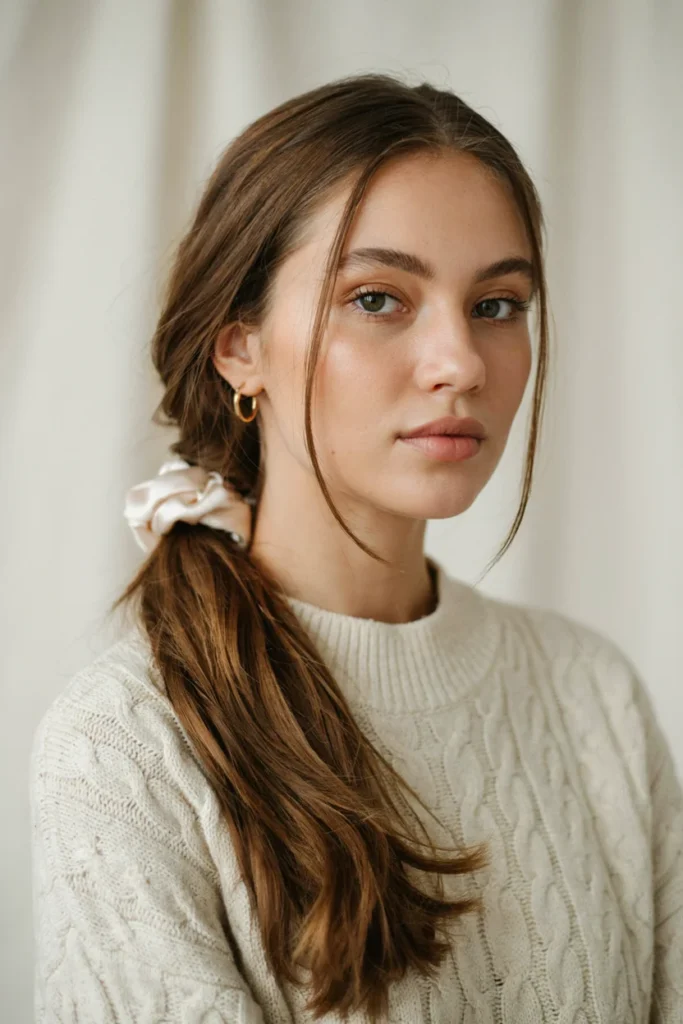
A loose low ponytail is one of the easiest hairstyles for a sensitive scalp because it places very little tension on your hair roots. Instead of pulling the hair tightly against the head, gather it gently at the nape of your neck and secure it with a soft silk or satin scrunchie. Leave a little slack around the crown to avoid pressure.
This hairstyle works well for straight, wavy, and curly hair. It also keeps hair neat without creating headaches that often come with high or tight ponytails.
Why it works:
- Reduces stress on hair follicles
- Comfortable enough for all-day wear
- Quick to style
- Great for casual or office looks
2. Soft Middle-Part Waves (Worn Down)

Wearing your hair down can be one of the most comfortable choices for a sensitive scalp. A soft middle part combined with loose waves creates a polished appearance without requiring any tight elastics or pins. The natural movement of the waves adds volume while allowing your scalp to stay completely relaxed.
Use a heat protectant and create gentle waves with a large curling iron or overnight heatless rollers. Finish with a lightweight serum instead of heavy styling products that can weigh hair down.
Best for:
- Everyday wear
- Medium to long hair
- Fine to thick hair textures
3. Loose Side Braid

A loose side braid keeps hair controlled while avoiding the tight pulling that often comes with traditional braids. Sweep your hair over one shoulder before loosely braiding it, leaving the roots relaxed. Pull gently on each braid section to create a fuller appearance without increasing scalp tension.
This hairstyle also minimizes tangles throughout the day and works beautifully with naturally textured hair.
Benefits include:
- Minimal scalp pressure
- Romantic appearance
- Comfortable during long days
- Easy to refresh
4. Low Messy Bun with Face-Framing Pieces

A messy low bun offers comfort without sacrificing style. Gather your hair loosely at the nape of your neck and twist it into a soft bun. Leave a few face-framing pieces around your temples and jawline to soften the look while preventing unnecessary pulling.
Avoid twisting the bun too tightly. The goal is to let your hair rest naturally while staying secure with bobby pins or a gentle scrunchie.
This hairstyle is ideal for work, brunch, or even formal occasions.
5. Half-Up Clip Style with Loose Ends

Instead of tying half your hair with a tight elastic, secure the upper section using a lightweight claw clip. This distributes pressure over a larger area rather than concentrating it at one point on your scalp.
The remaining hair flows naturally, reducing weight on your roots while creating a stylish everyday look. Choose clips with rounded edges to avoid snagging.
Why you’ll love it:
- No tight hair ties
- Fast styling
- Comfortable throughout the day
- Suitable for all hair textures
6. Loose Half-Up Twist
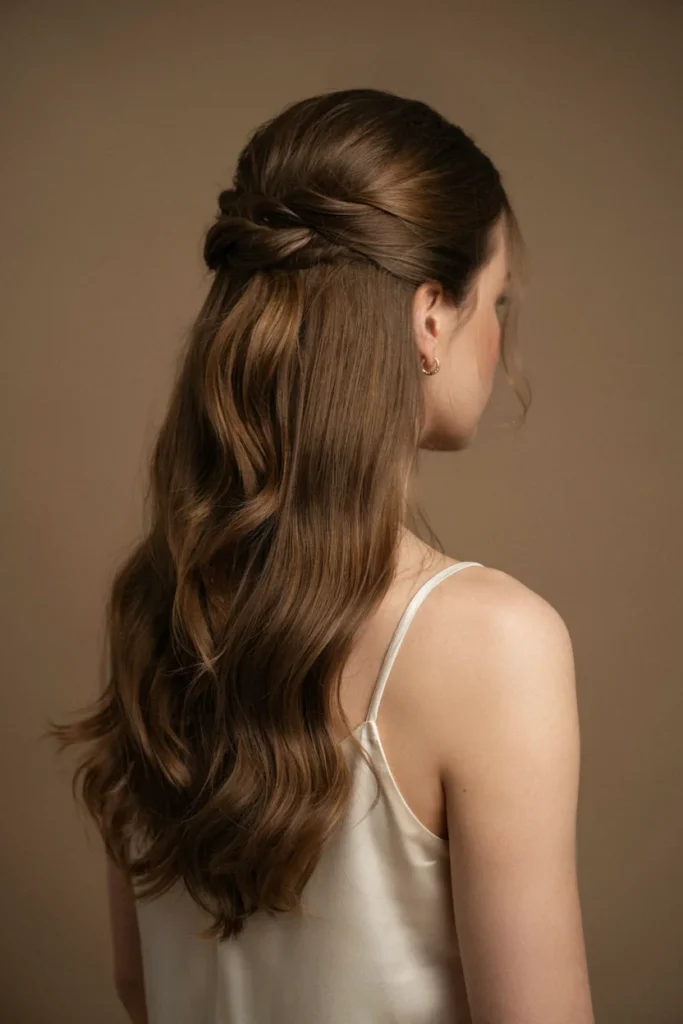
A loose half-up twist creates an elegant hairstyle with very little tension. Twist small sections from each side of your face toward the back and secure them gently with a clip or soft elastic.
Because only a small amount of hair is gathered, the hairstyle feels light and comfortable. It also allows the rest of your hair to stay loose, reducing stress across your scalp.
This style pairs beautifully with natural waves and curls.
7. Low Bubble Ponytail (Loosely Gathered)
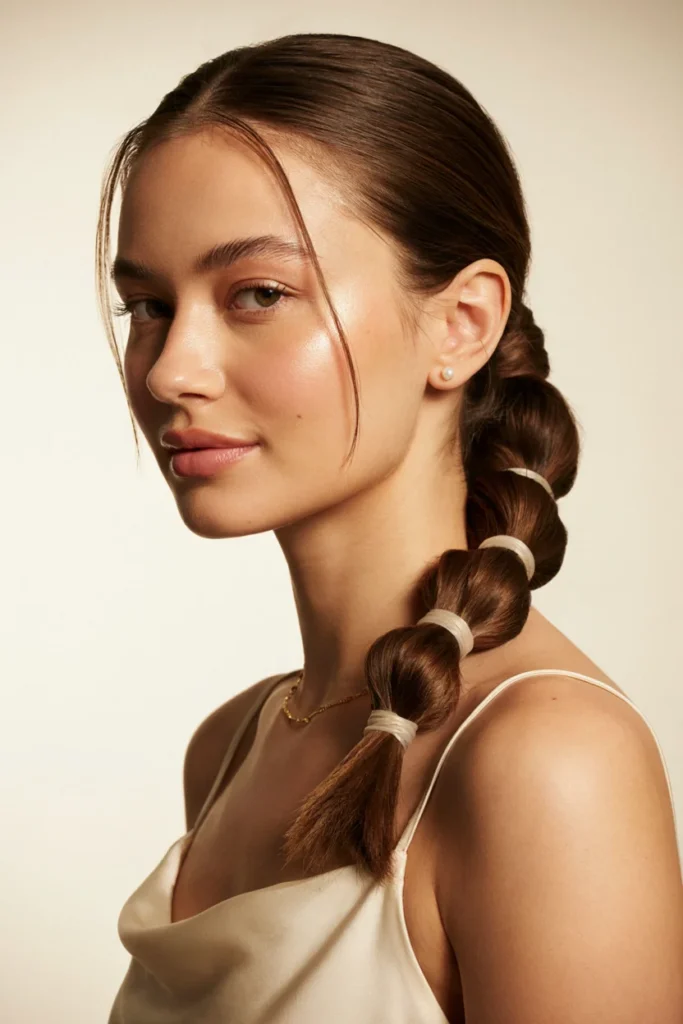
The bubble ponytail doesn’t have to be tight to look stylish. Start with a relaxed low ponytail and place additional soft elastics several inches apart. Gently pull each section outward to create rounded bubbles.
Keep every elastic loose enough to avoid scalp strain.
This hairstyle offers a fun update to a traditional ponytail while remaining gentle on sensitive roots.
8. Soft Chignon with Loose Strands

A soft chignon is a timeless hairstyle that’s surprisingly comfortable when worn loosely. Position the bun low on the neck instead of high on the crown where extra tension often develops.
Allow soft strands to fall naturally around the face and avoid slicking every hair into place. This relaxed approach keeps the hairstyle elegant without causing soreness.
It’s an excellent option for weddings, dinners, or professional settings.
9. Loose Top Knot (Not Pulled Tight)

A top knot doesn’t have to cause discomfort. Instead of gathering your hair tightly, create a loose ponytail before wrapping it into a relaxed bun. Keep volume around the crown so your scalp doesn’t feel stretched.
Secure the bun with a soft scrunchie instead of a firm elastic.
This style is especially helpful on busy days when you want your hair out of your face without creating pressure.
10. Half-Up Half-Down with Claw Clip

The claw clip has become a favorite for people with sensitive scalps because it eliminates the need for tight elastics. Simply gather the top half of your hair and secure it gently with a medium-sized clip.
This style works well for thick hair while allowing the lower layers to remain loose and comfortable.
You’ll enjoy both style and comfort throughout the day.
11. Loose Fishtail Braid

Although fishtail braids appear detailed, they can actually be very gentle when woven loosely. Start the braid below the crown instead of tightly against your scalp, allowing natural movement at the roots.
Pull apart the finished braid slightly to create fullness without tightening.
The result looks effortless while staying comfortable for hours.
12. Dutch Braid Crown (Loosely Woven)

A loose Dutch braid crown creates beautiful texture without placing too much pressure on your scalp. Instead of weaving tightly, keep each section relaxed and avoid pulling during braiding.
Leave wispy strands around your face for an even softer appearance.
This hairstyle is perfect for outdoor events, festivals, and summer gatherings.
13. Loose Waterfall Braid

The waterfall braid is gentle because much of your hair remains loose. Only small sections are braided while the remaining hair flows freely underneath.
The result is lightweight, elegant, and comfortable enough for all-day wear.
This hairstyle looks especially beautiful on softly curled or naturally wavy hair.
14. Three-Strand Braid Left Undone at the Root

Rather than starting your braid directly at the scalp, begin several inches lower. This keeps the roots relaxed while still creating a neat braided look.
Secure the end with a fabric-covered elastic to avoid breakage.
This simple adjustment makes traditional braids much more comfortable for sensitive scalps.
15. Loose Boho Braid with Face-Framing Strands

A relaxed boho braid combines comfort with effortless beauty. Leave the braid slightly undone and allow soft strands around your face to create movement.
Avoid pulling hair tightly before braiding. The natural texture makes the hairstyle appear fuller while reducing stress on your scalp.
This style works wonderfully for vacations, concerts, and everyday wear.
16. Loose Box Braids (Medium to Large Size)

Traditional box braids can become painful when installed too tightly. Choosing medium or large braids with a loose installation helps reduce scalp tension while still providing a protective style.
Always communicate with your stylist about comfort during installation. If your scalp feels painful immediately afterward, the braids may be too tight.
Properly installed loose box braids can be both protective and comfortable.
17. Low-Tension Crochet Braids
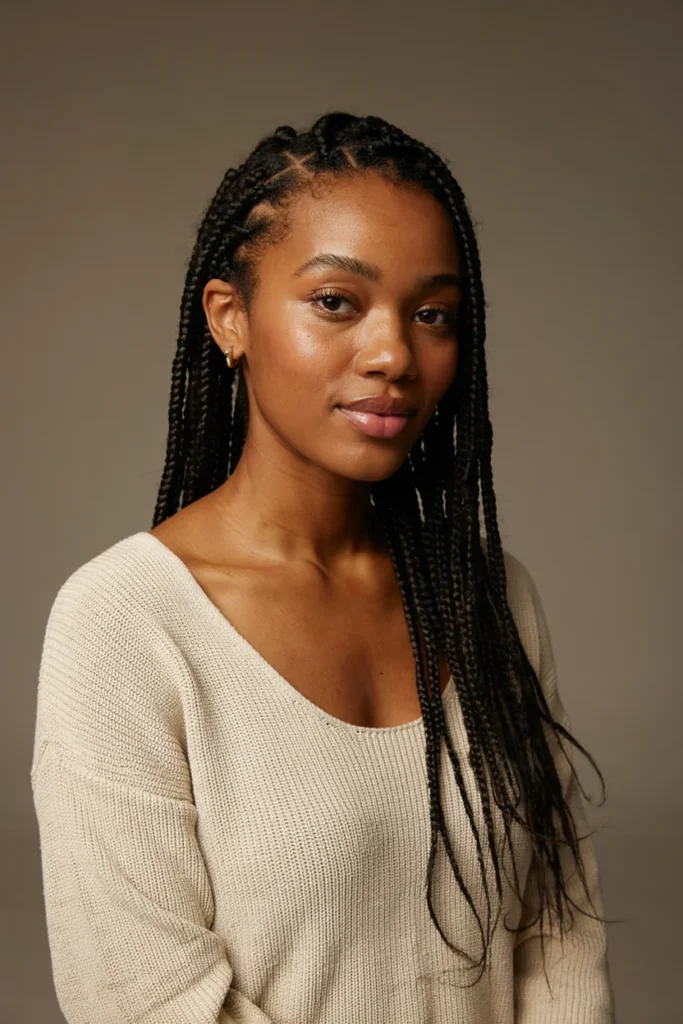
Crochet braids place less direct stress on the scalp than many traditional braided styles because the extensions attach to cornrows instead of individual strands.
Ask your stylist to create loose foundation braids rather than tight cornrows.
This option offers versatility while reducing discomfort for sensitive scalps.
18. Loose Twists (Two-Strand, Not Tight)

Loose two-strand twists protect the hair while allowing the scalp to stay relaxed. Avoid twisting each section tightly from the roots. Instead, leave a little flexibility at the base.
The finished style feels lightweight and creates less pulling during everyday movement.
Twists also help reduce tangles and make hair easier to maintain.
19. Silk Press with Minimal Manipulation
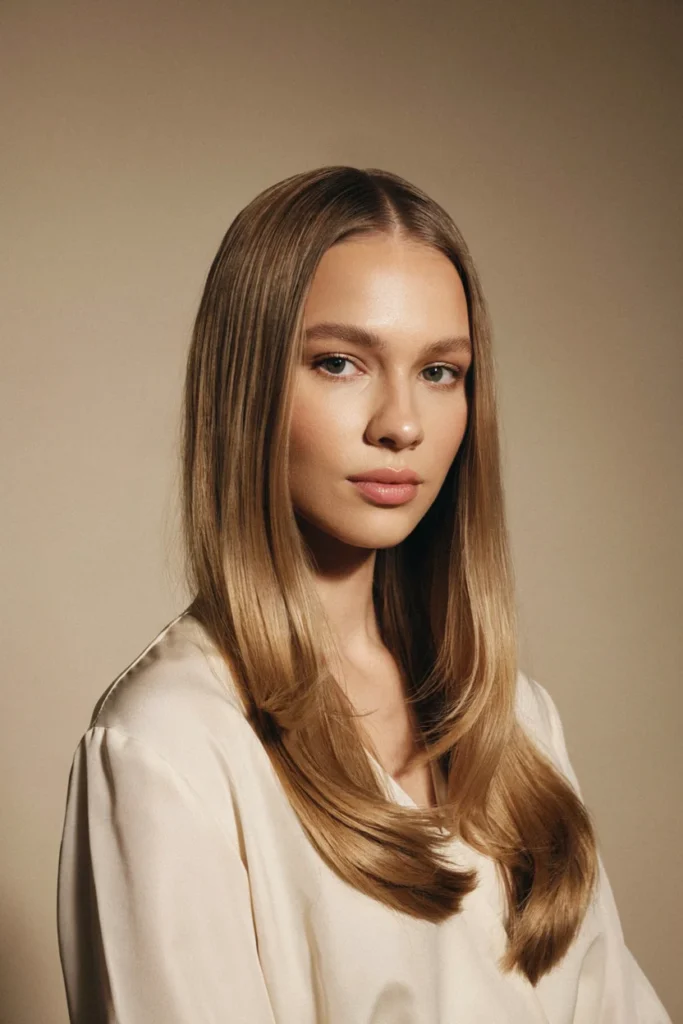
A silk press can be an excellent choice for people who prefer wearing their hair down. After straightening, avoid constant brushing, tight styling, or repeated heat.
Keeping the hair loose minimizes manipulation and gives your scalp time to recover.
Wrap your hair at night with a silk scarf to maintain smoothness between washes.
20. Loose Faux Locs
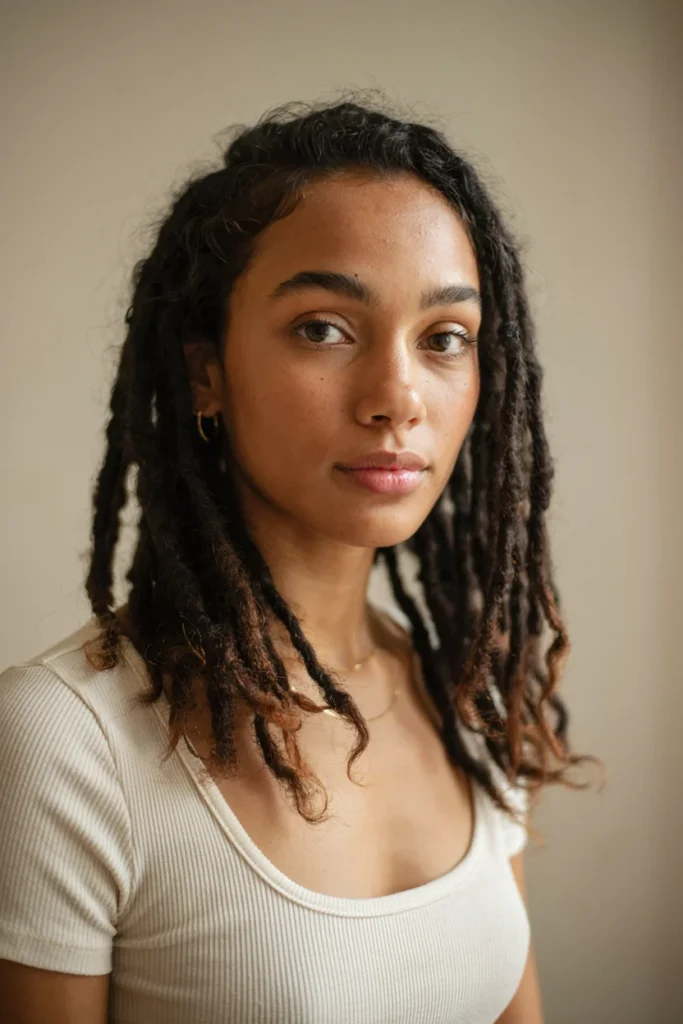
Faux locs can be surprisingly comfortable when installed with minimal tension. Lightweight extensions and larger sections reduce unnecessary weight while protecting your natural hair.
Avoid styles that feel tight immediately after installation.
Loose faux locs provide long-lasting style without constant daily styling.
21. Soft Bridal Waves with Loose Half-Up Twist

Bridal hairstyles don’t need to feel tight to stay beautiful. Soft waves paired with a gentle half-up twist create a romantic look without pulling the scalp.
Decorate with delicate hairpins or flowers instead of heavy accessories.
This hairstyle remains comfortable during long ceremonies and receptions.
22. Loose Braided Updo for Formal Events

Formal hairstyles often become uncomfortable because they’re pinned too tightly. A loose braided updo distributes weight more evenly while maintaining an elegant finish.
Keep braids soft and avoid excessive teasing around the crown.
The hairstyle stays secure while allowing your scalp to remain relaxed throughout the event.
23. Romantic Loose Curls with Side Sweep
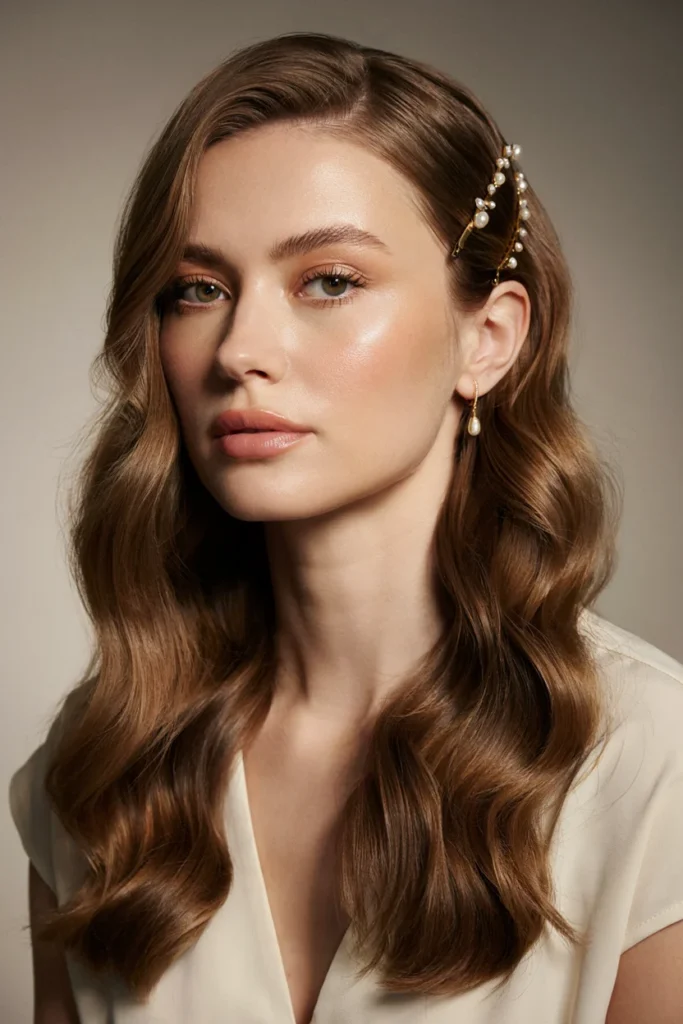
Loose curls naturally reduce the need for tight styling. Sweep the curls gently to one side using a lightweight clip rather than tight pins.
The side sweep frames the face while allowing the scalp to stay free from tension.
This hairstyle suits parties, date nights, and special celebrations.
24. Gentle Braided Ponytail for Special Occasions

Combine a relaxed ponytail with a loose braid for a hairstyle that feels secure without excessive pulling. Position the ponytail low and braid it softly from there.
Using a satin scrunchie instead of a standard elastic adds even more comfort.
The finished look feels polished while remaining gentle on sensitive roots.
25. Loose Vintage Waves (Soft Finger Waves)
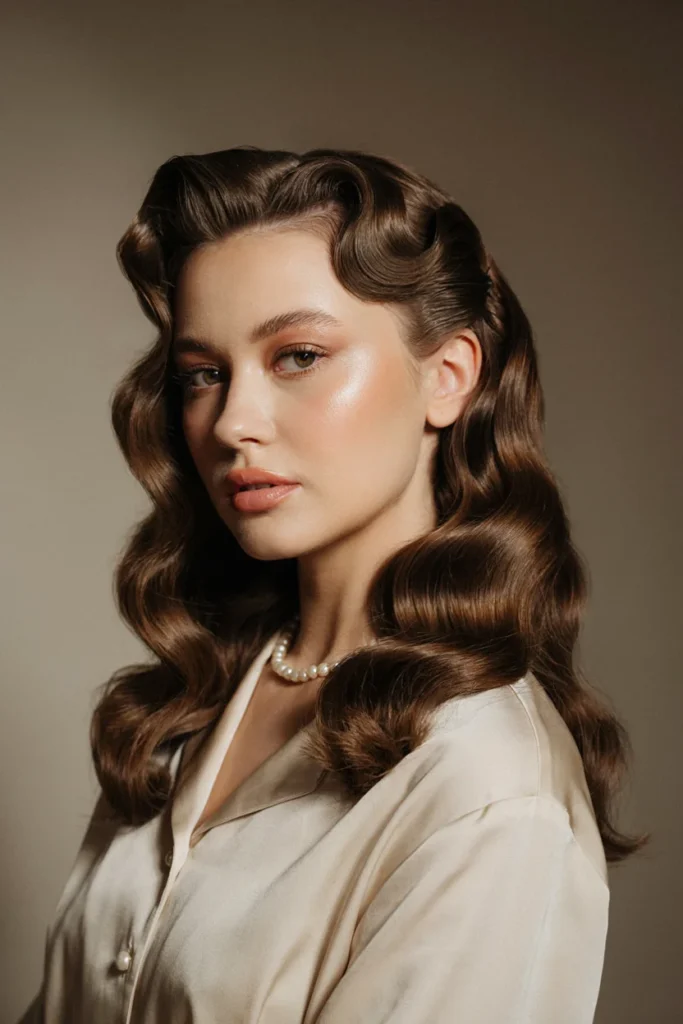
Modern vintage waves don’t have to be stiff or heavily styled. Create soft finger waves with a large barrel iron or rollers, then brush them gently for smooth movement.
Since the hairstyle is worn down, your scalp experiences almost no tension.
The classic finish makes it perfect for elegant dinners, weddings, and photo sessions.
Tips for Reducing Scalp Pain While Styling
Small changes in your routine can make a big difference.
- Use silk or satin scrunchies.
- Avoid tight ponytails every day.
- Change your hairstyle regularly.
- Sleep on a silk pillowcase.
- Massage your scalp gently.
- Let your hair rest between protective styles.
- Avoid heavy extensions if your scalp is sore.
- Brush gently from the ends upward.
- Choose lightweight hair accessories.
- Remove hairstyles before they become uncomfortable.
Hairstyles and Habits to Avoid With a Sensitive Scalp
Some hairstyles can make scalp discomfort much worse.
Try to avoid:
- Extremely tight ponytails
- High slick buns
- Tight cornrows
- Small, tightly installed braids
- Heavy extensions
- Tight sew-ins
- Wearing the same hairstyle every day
- Pulling hair tightly while blow drying
- Sleeping with tight hairstyles
If your scalp hurts, don’t ignore the discomfort. Pain is often a sign that your hairstyle is too tight.
Frequently Asked Questions
What hairstyles are best for a sensitive scalp?
The best hairstyles are loose styles that create little tension at the roots. Low ponytails, soft waves, relaxed buns, loose braids, claw clip styles, and low-tension protective hairstyles are excellent choices because they reduce pulling while still looking stylish.
How can I style my hair without hurting my scalp?
Choose soft accessories like satin scrunchies, avoid tight hairstyles, distribute weight evenly, and never pull your hair tightly against your scalp. Giving your hair regular breaks between protective styles also helps prevent soreness.
Why does my scalp hurt after certain hairstyles?
Scalp pain usually happens because tight hairstyles pull on the hair follicles for long periods. Heavy extensions, tight braids, and high ponytails can also irritate the scalp and create inflammation, leading to tenderness or headaches.
How often should I wash my hair if I have a sensitive scalp?
Most people with a sensitive scalp benefit from washing every two to four days, depending on their hair type and oil production. Use a gentle shampoo, avoid harsh scrubbing, and rinse thoroughly to keep the scalp clean without causing irritation.
Conclusion
Having a sensitive scalp doesn’t mean you have to settle for boring hairstyles. The key is choosing styles that prioritize comfort without sacrificing beauty. Loose ponytails, soft waves, relaxed braids, gentle buns, and low-tension protective styles all help reduce pulling while keeping your hair looking polished.
Pair these hairstyles with gentle hair care habits, lightweight accessories, and regular scalp breaks to minimize discomfort. By listening to your scalp and avoiding unnecessary tension, you can enjoy stylish hair every day without the pain.