23 Best Short Hairstyles for Thin Hair That Look Fuller
Finding the right haircut can make a noticeable difference when your hair is naturally fine or lacks volume. The best Short Hairstyles for Thin Hair create the appearance of thicker ends, add movement around the crown, and give your hair a more defined shape without removing too much fullness.
From chin-length bobs and textured pixies to soft waves and flattering layered cuts, there are plenty of stylish options to explore. Whether you prefer something polished, playful, low-maintenance, or modern, these 23 haircut ideas will help you find a look that suits your hair texture and personal style.
1. Blunt Chin-Length Bob
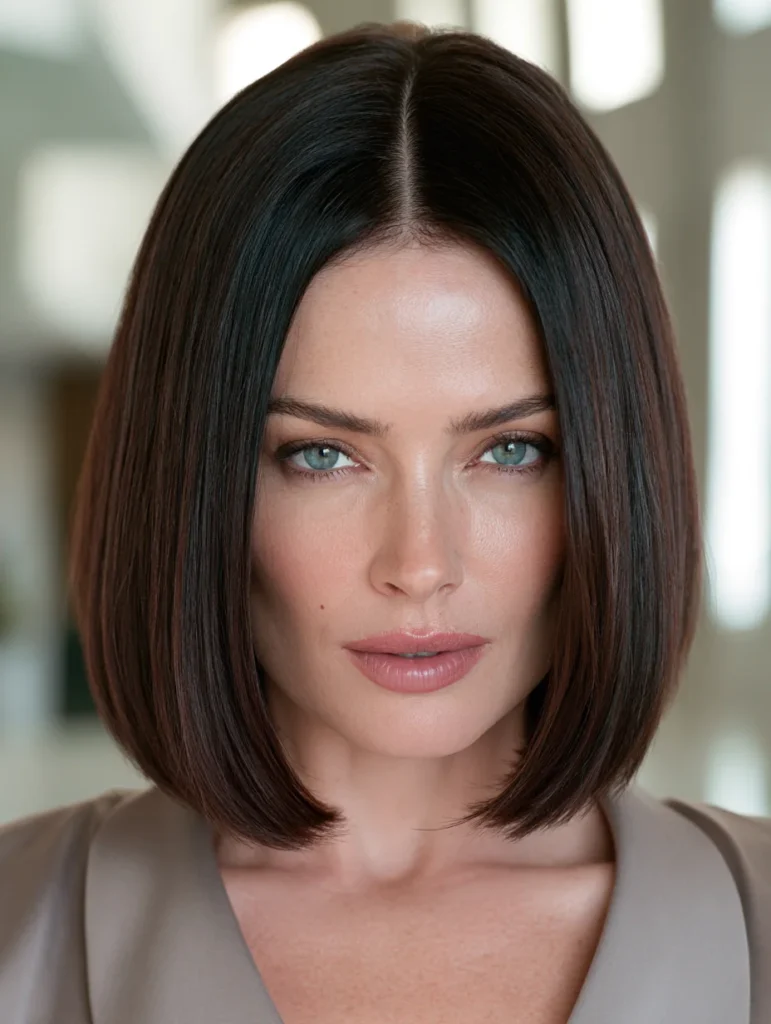
A single-length cut that ends right at the jawline, with a razor-straight edge and no internal layering. The blunt perimeter packs the strands together, so the ends look dense and the whole shape reads thicker than it is. A deep side part adds extra lift at the crown.
Fine, straight hair shows this shape off best, especially in a color with a little dimension. Styling takes about ten minutes with a round brush. Oval and long faces suit the length, and a trim every six to eight weeks keeps the edge crisp.
2. Textured Pixie Cut
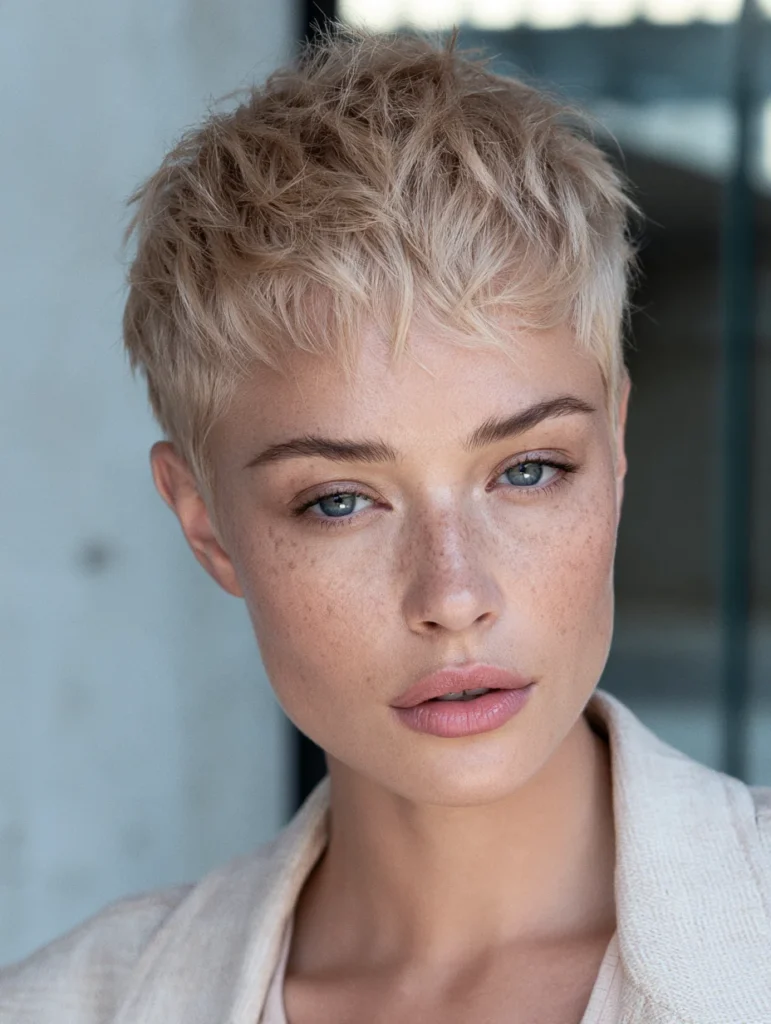
- Hair length: About one inch at the sides and two to three inches on top, with the crown left slightly longer for height.
- Texture: Point-cut ends create small, separated pieces that catch light and look denser than a smooth finish would.
- Products: A pea-sized amount of lightweight texturizing paste, worked through dry hair with the fingertips.
- Maintenance: A shape-up every five to six weeks, since pixies lose their balance fast as they grow.
- Best occasion: Everyday wear, with enough polish for the office.
Texture does the work here, so avoid smoothing everything flat. Rough-dry the top with your fingers, then lift the roots upward as you apply a little paste. The pieces should look deliberately messy, never greasy or weighed down.
3. Layered Short Bob
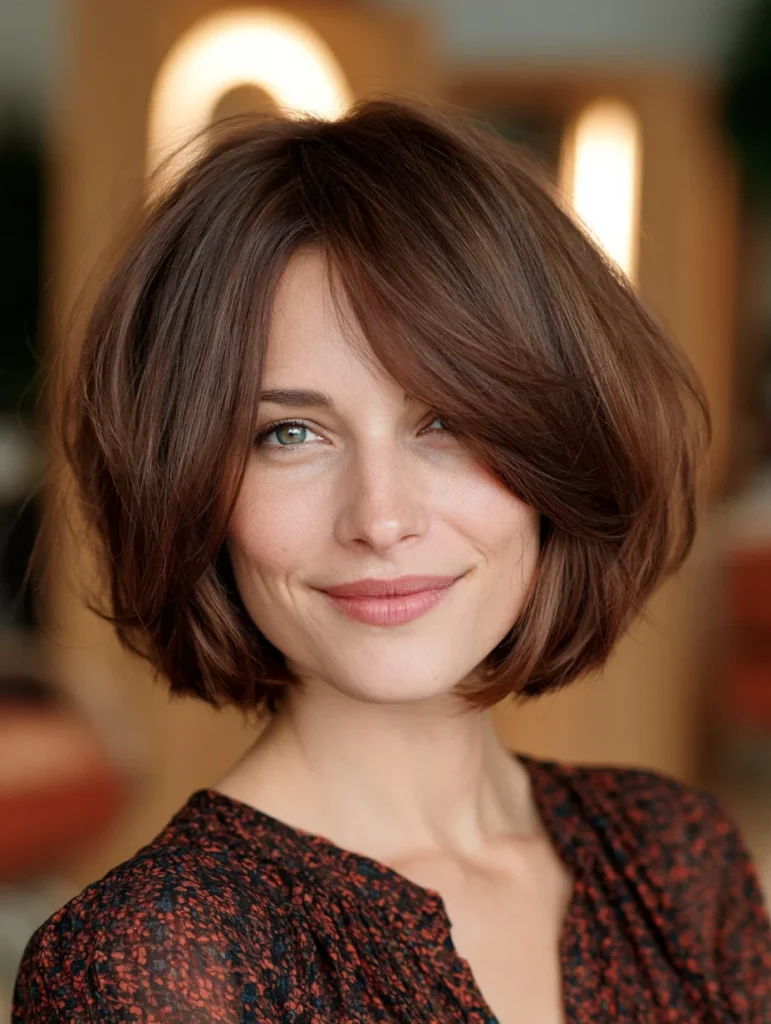
Quick Tip: Blow-dry the roots first, lifting them with a round brush while the hair is about 80 percent dry. Aim the nozzle downward along the hair shaft to keep the cuticle smooth. Finish with a cool shot of air to set the lift in place.
Short, graduated layers sit just above the shoulders in a soft rounded shape, building gentle body without exposing the ends. Fine hair benefits from keeping the layers shallow, and a slight inward curl at the bottom makes the whole outline look fuller.
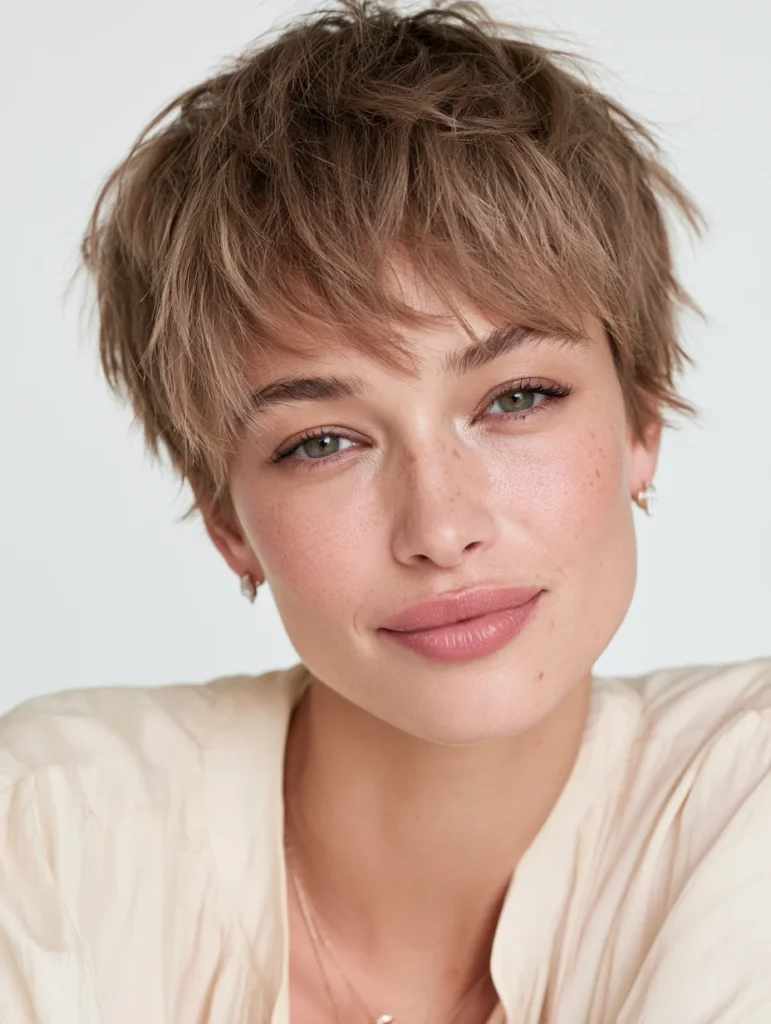
4. Soft Wispy Pixie
BEFORE
Fine hair cut into a pixie can fall flat against the scalp, with the top lying limp and the ends looking stringy. The shape disappears by midday, and the nape feels either too heavy or too bare.
AFTER
Feathered ends and a softly cropped crown give the cut movement and a lifted silhouette. The wisps around the ears and forehead look light and intentional, and the top keeps its height through the afternoon.
Ask your stylist for point-cutting rather than thick, blunt snips. At home, a tiny amount of root-lifting spray and a quick scrunch with your fingers refreshes the shape without adding weight.
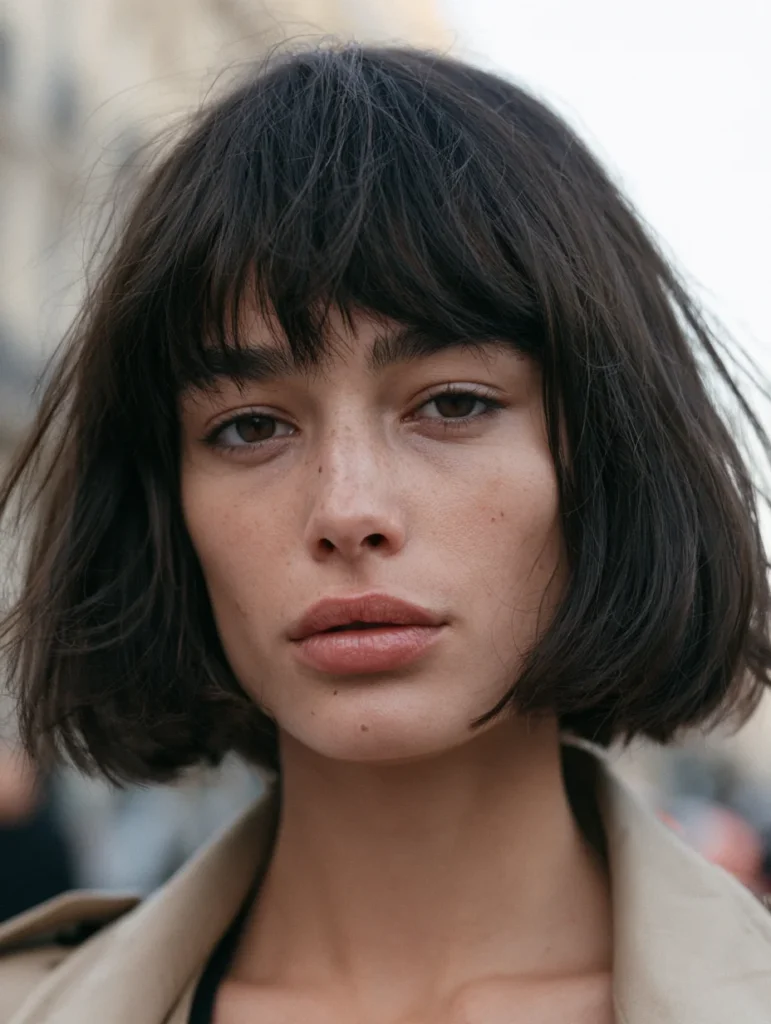
5. French Bob with Bangs
- Start with damp hair and apply a light volumizing mousse from roots to mid-lengths, since heavy creams will flatten the shape.
- Blow-dry the bangs first, pulling them straight down with a small round brush to remove any kink.
- Dry the rest of the bob with a paddle brush, flipping the ends slightly inward at the jaw.
- Set the finish with a flexible-hold hairspray, held about ten inches from the head.
Cut at or just under the chin, with wispy bangs that sit above the eyebrows, this Parisian classic suits fine to medium hair and heart or oval faces. A trim for the bangs every three to four weeks keeps them from drooping into the eyes.
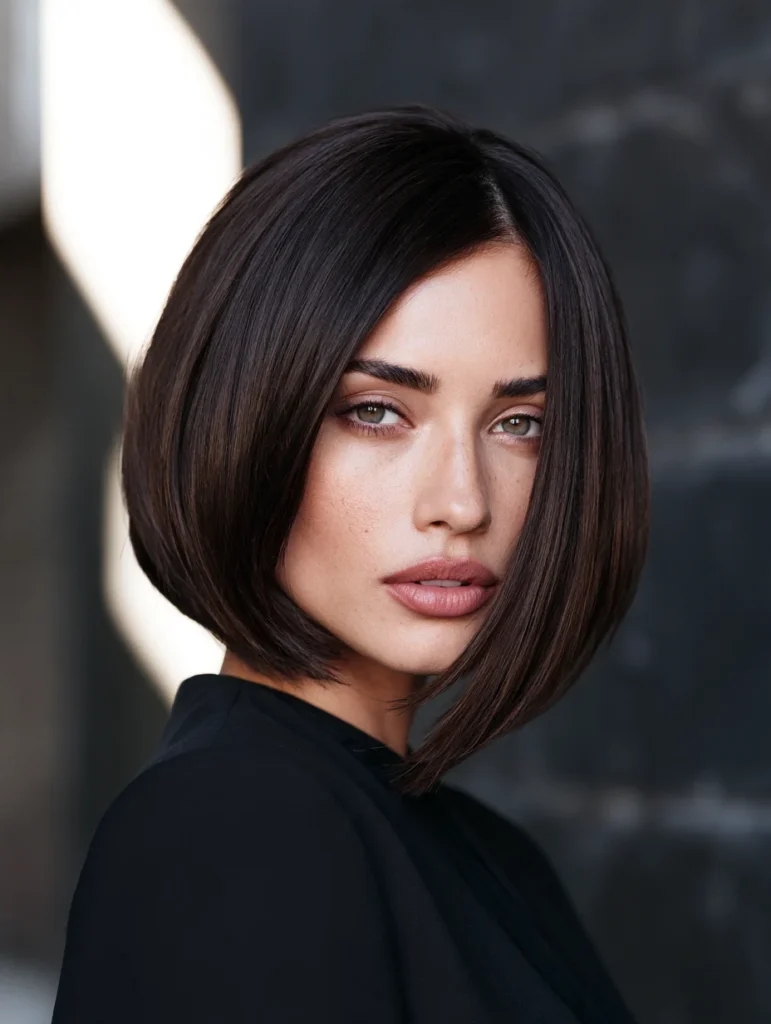
6. Asymmetrical Bob
| Feature | Subtle Slant | Dramatic Angle |
| Length difference | About one inch | Two to three inches |
| Volume | Soft and even | Concentrated on the shorter side |
| Styling time | Quick | Moderate |
| Best for | Everyday wear | Statement looks |
The subtle slant suits fine hair that needs balance and a low-fuss routine, while the dramatic angle draws attention to one side and creates the illusion of extra density there. Pick the slant by how much styling time you want, and by whether you prefer a quiet or bold finish.
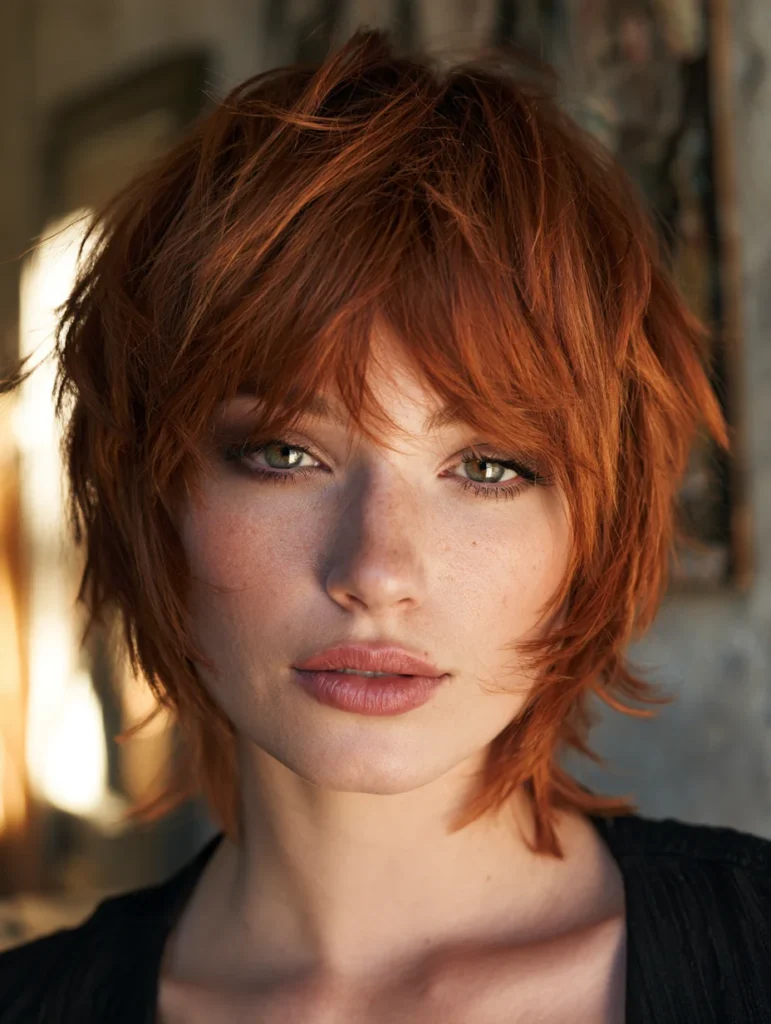
7. Short Shag Cut
DO:
- Keep the layers short and choppy around the crown for lift.
- Ask for texture in the ends instead of heavy thinning.
- Air-dry partway, then diffuse to preserve natural movement.
- Choose a side-swept fringe that blends into the layers.
DON’T:
- Let the stylist use thinning shears on already fine strands.
- Overload the roots with oils or heavy creams.
- Brush the shag when dry, which pulls out the texture.
- Skip trims, since the shape softens quickly.
A short shag works by stacking small pieces on top of each other so that the hair builds its own volume. Keep the lengths varied and the finish matte, and the cut will look much thicker than it is.
8. Curtain Bangs with a Short Cut
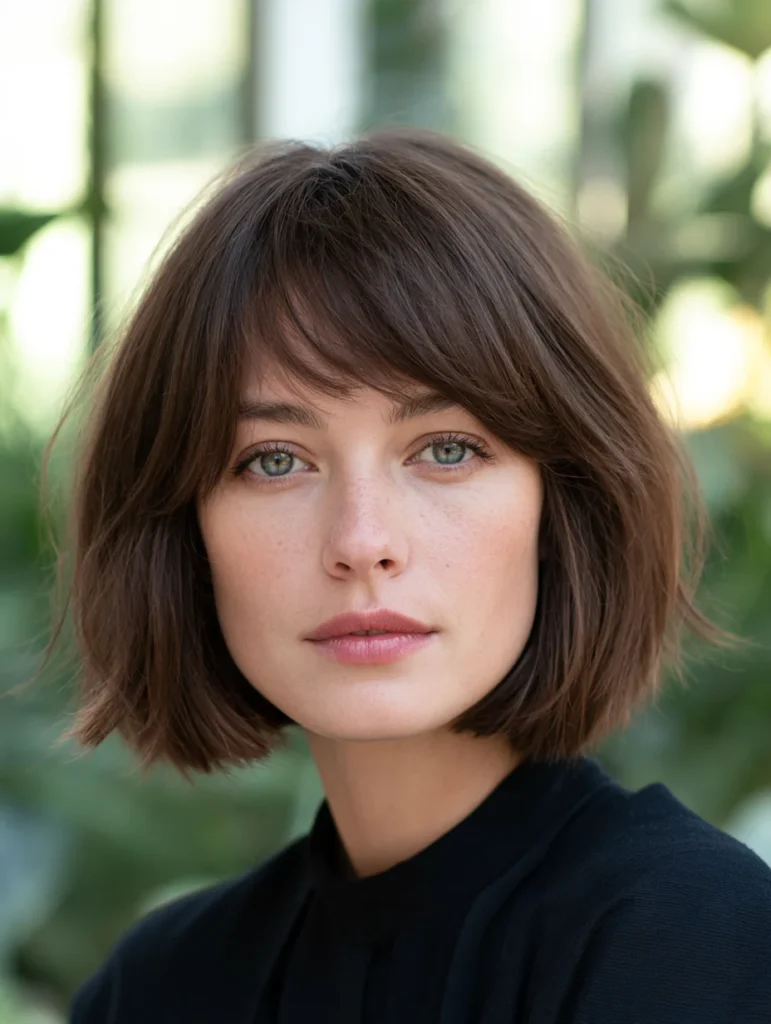
Hair Length: Chin-length to just above the shoulders
Hair Type: Fine, straight to slightly wavy
Styling Time: About ten minutes
Best For: Heart, long, and oval face shapes
Center-parted bangs that sweep to either side of the face frame the cheekbones and hide a high forehead. Blow-dry them outward over a medium round brush, then let the ends tuck back toward the temples. Because bangs take up hair from the crown, ask for a narrower section if your density is low.
9. Choppy Pixie Bob
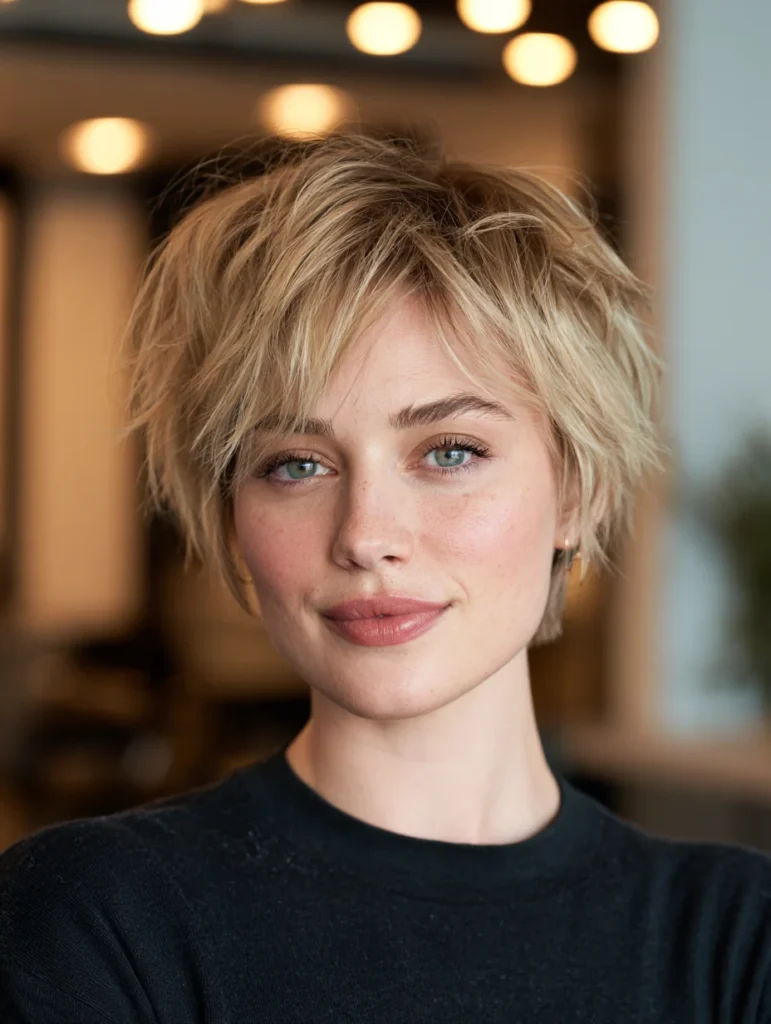
Cropped at the nape yet left longer around the face, this cut blends pixie boldness with bob softness. The ends are razored into uneven pieces, which creates visible separation and keeps fine hair from clumping into a flat mass. A gentle graduation at the back adds shape without a harsh line.
It suits straight or slightly wavy hair and works well on round and square faces, where the longer front pieces soften the jaw. Plan on a dab of texture cream and about five minutes of tousling in the morning.
10. A-Line Bob
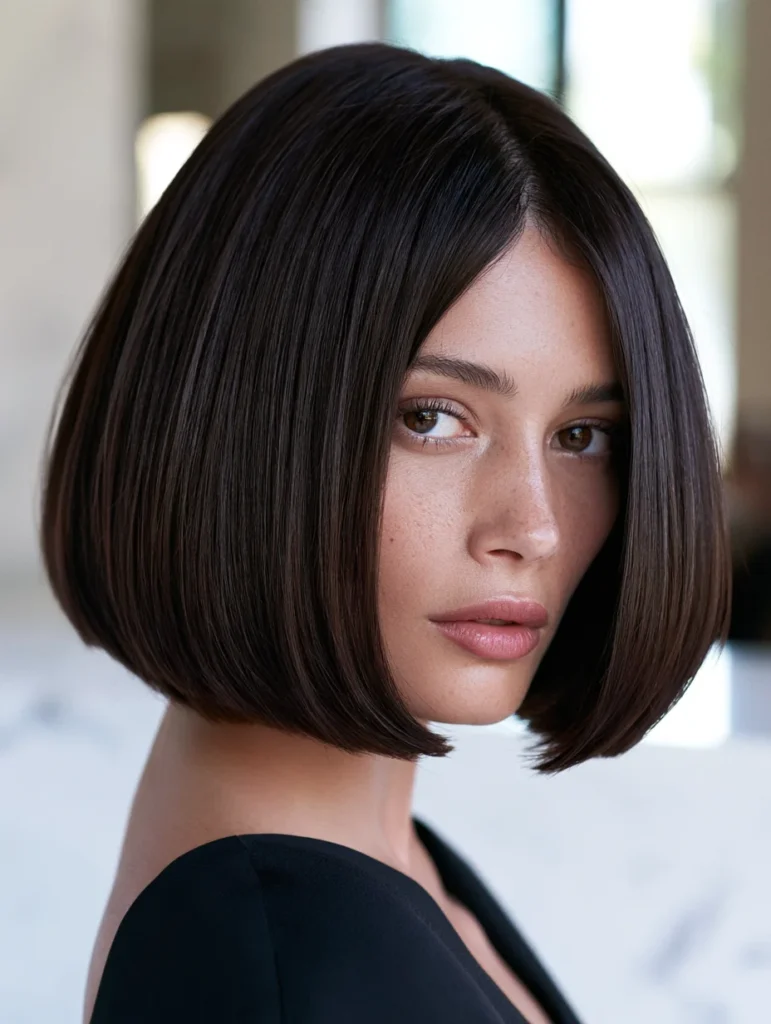
- Shape: Shorter at the back and gently longer toward the front, ending between the chin and collarbone.
- Volume: The stacked nape adds lift at the back, which balances fine hair that tends to fall limp.
- Finish: Sleek and polished, or tucked behind one ear for a relaxed look.
- Face shape: Round faces gain length, and the angle leads the eye downward.
- Maintenance: A trim every six weeks protects the clean line.
Fine hair loves the angled outline because it creates a visual weight line without cutting extra length. Keep the front pieces just past the chin and finish with a smoothing serum on the ends.
11. Undercut Pixie with Longer Top
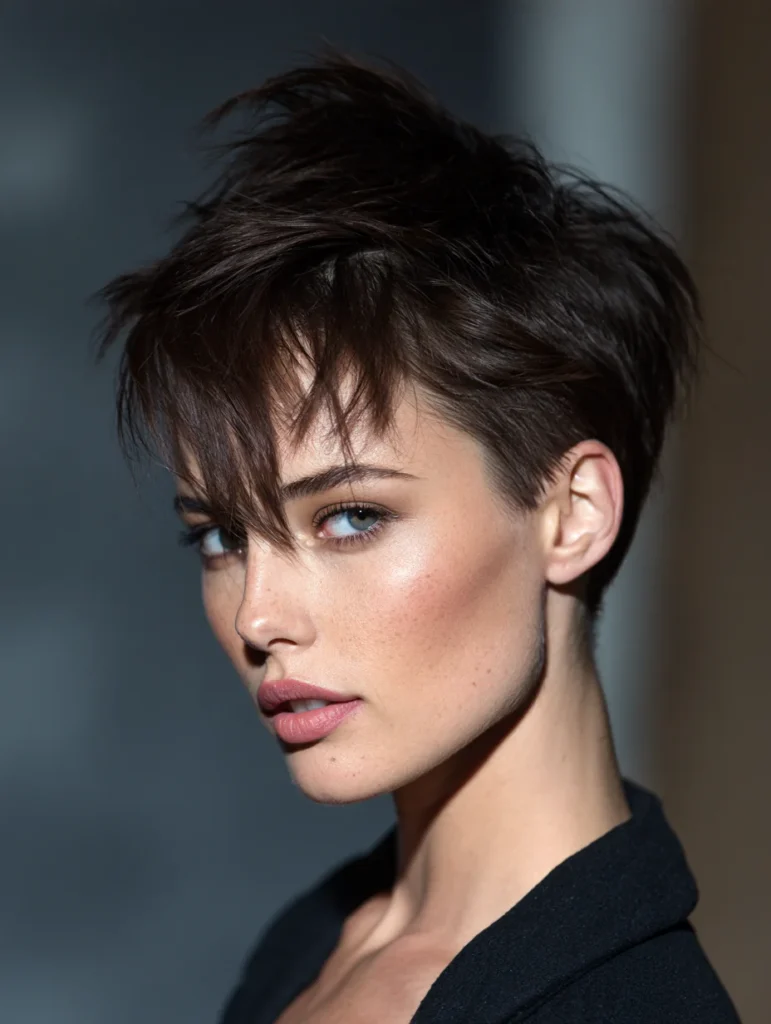
Quick Tip: Shave or clip the sides to a number two or three guard, then leave two to three inches on top. Blow-dry the top upward and back with a small round brush, and use a pinch of matte pomade to hold the lift.
Removing weight at the sides makes the top look thicker by contrast, a trick that suits thinning areas well. The look reads bold and modern, and it grows out gracefully into a classic pixie.
12. Feathered Short Cut
BEFORE
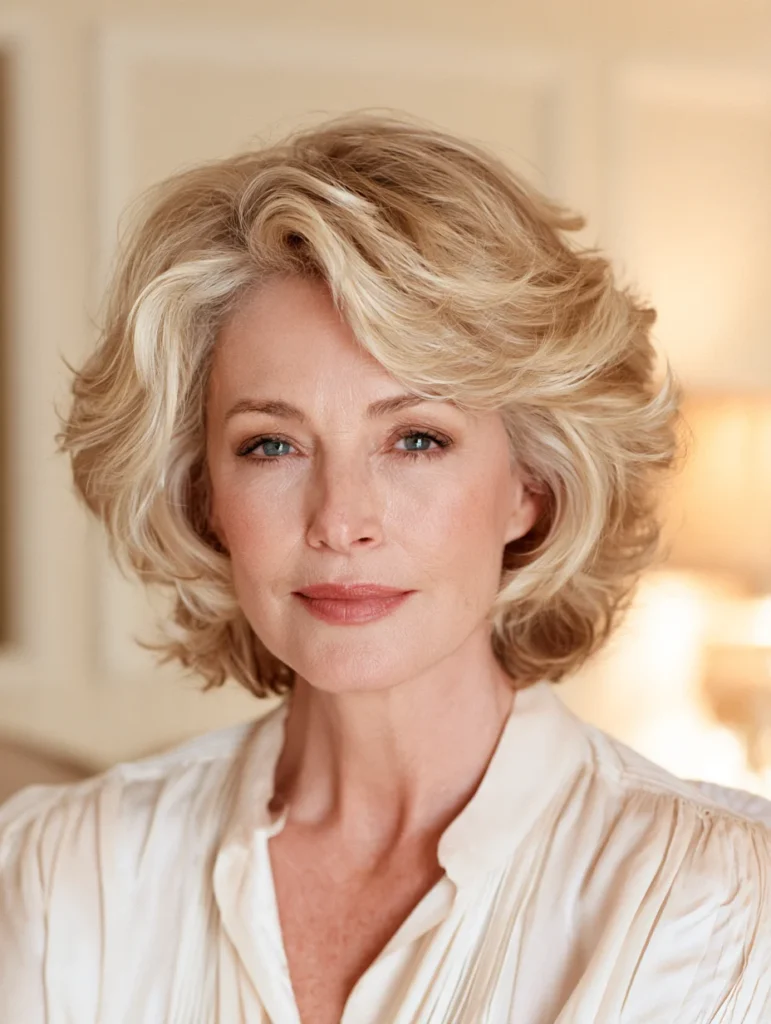
Fine hair that has been cut straight across can look wispy and uneven, with strands splitting at the ends and no clear shape around the face. The crown tends to lie flat and the sides hang limp.
AFTER
Light, feathered layers soften the edges and flick away from the face, adding visible bounce around the cheekbones. The crown gains lift, and the ends look airy without losing density.
A sharp razor-point trim creates the feathering, but dry cutting works better on very fine hair because it shows how each layer will fall. Finish with a round brush and a light-hold spray.
13. Wavy Lob Above the Shoulders
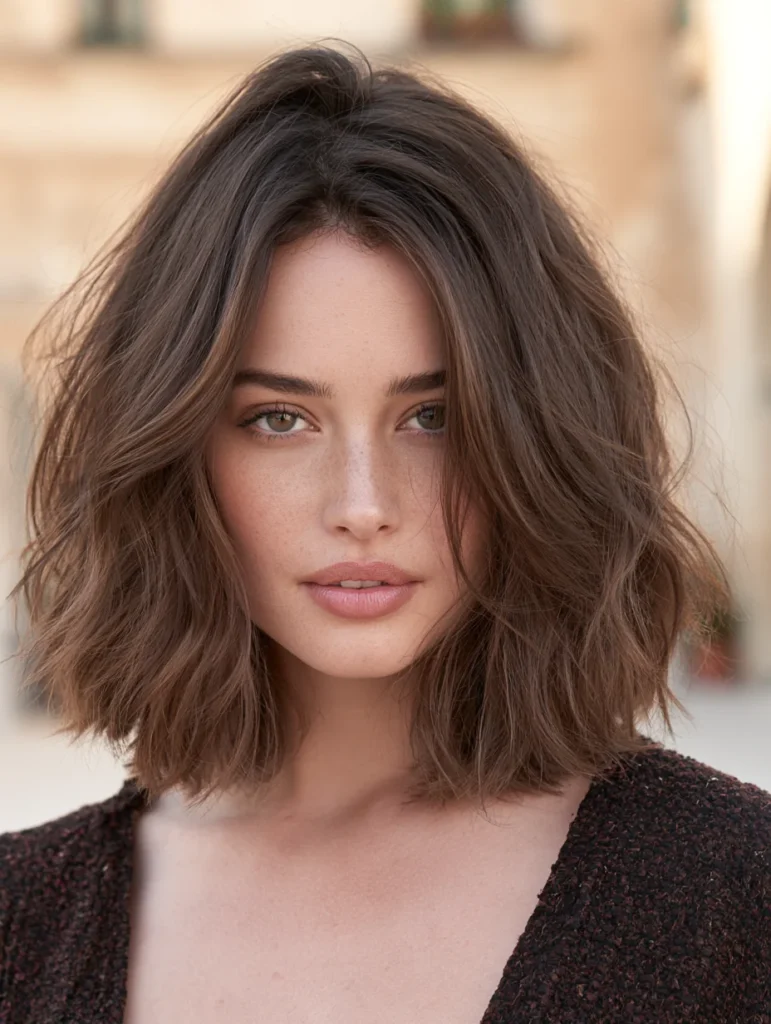
- Apply a lightweight sea salt spray to damp hair, concentrating on mid-lengths rather than roots.
- Blow-dry until about 90 percent dry, using a diffuser on low heat to preserve the natural pattern.
- Wrap two-inch sections around a one-inch curling iron, leaving the ends out for a relaxed finish.
- Shake the waves loose with your fingers and mist with a flexible hairspray.
A lob cut just above the shoulders keeps length without dragging fine hair down, and the waves add width that reads as extra fullness. It suits oval, heart, and square faces, and humid weather can soften the waves, so lightly re-spritz as needed.
14. Side-Swept Pixie
| Feature | Soft Sweep | Sharp Sweep |
| Texture | Feathery, airy ends | Sleek, defined lines |
| Volume | Medium | Low to medium |
| Styling time | Five minutes | Ten minutes |
| Best for | Casual days | Evening events |
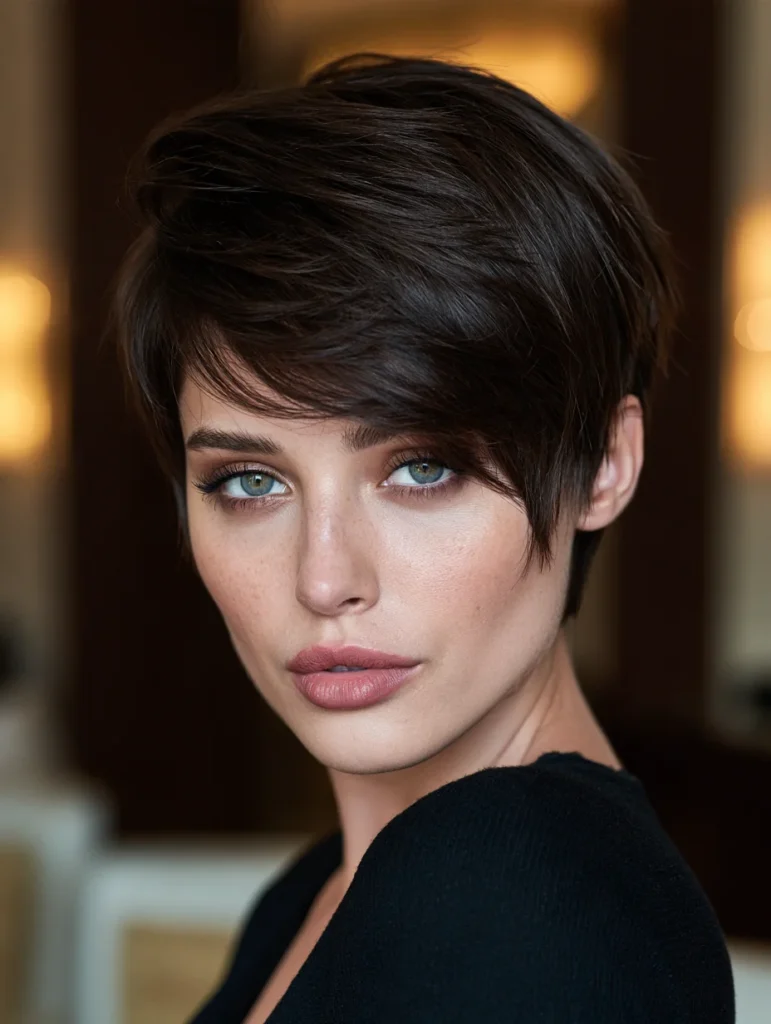
A soft sweep lets fine strands move freely and hides sparse areas near the temples, while a sharp sweep gives a cleaner, more polished line that photographs well. Either direction works on narrow faces and fine hair, so choose by occasion and by how much product you like to wear.
15. Stacked Bob
DO:
- Ask for short, graduated layers at the nape to build lift.
- Blow-dry the back upward with a vent brush.
- Use root-lift spray on the crown.
- Keep the front pieces long enough to frame the face.
DON’T:
- Choose extreme stacking if your hair is very sparse at the back.
- Use heavy waxes that pull the stack down.
- Over-straighten, which flattens the curve.
- Wait too long between trims.
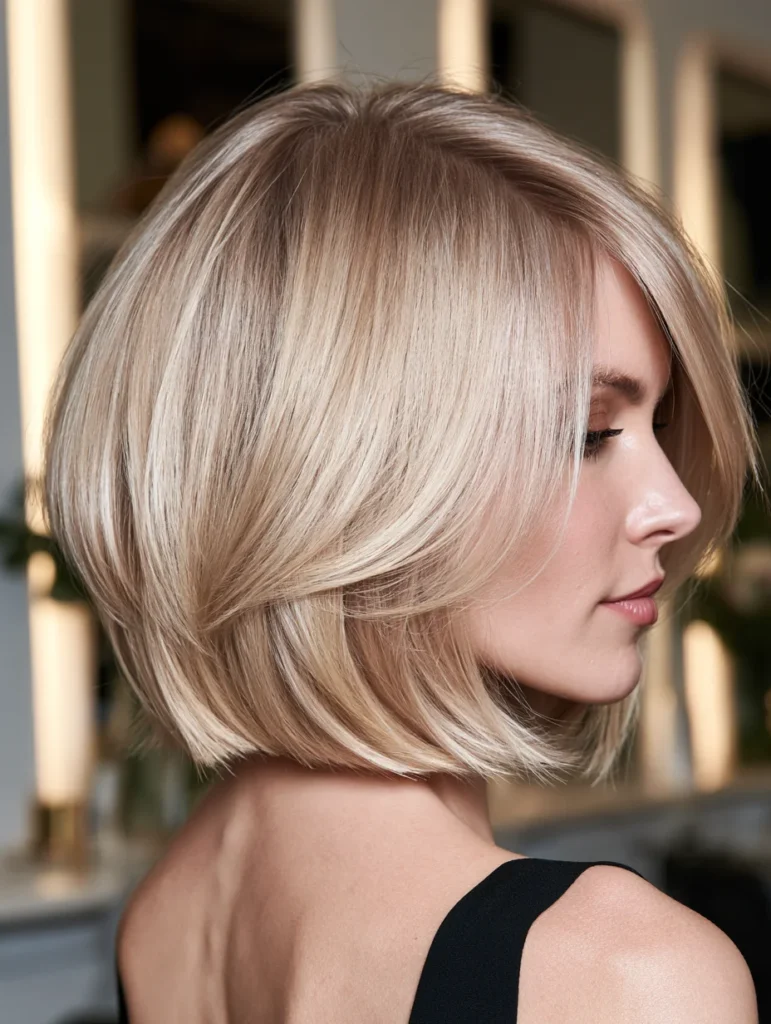
A stacked bob stacks short layers at the back to push volume upward, while the front stays longer and sleek. The design principle is simple: weight lives at the nape, and the rest follows its curve.
16. Tousled Short Waves
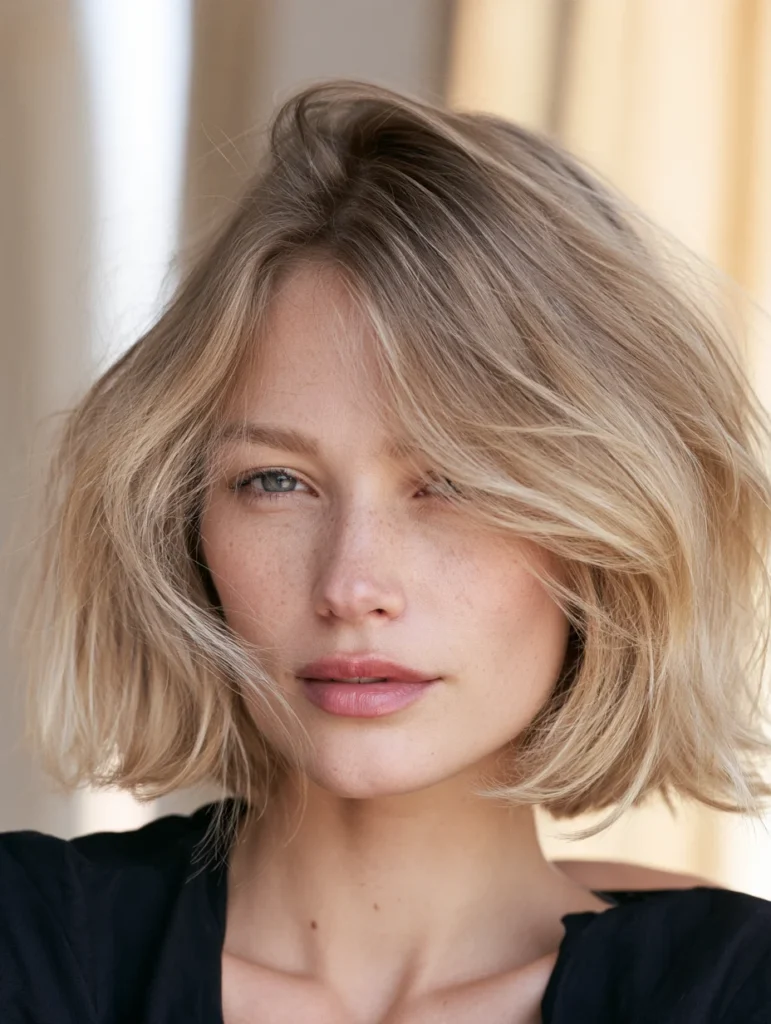
Hair Length: Chin-length to collarbone
Hair Type: Straight or slightly wavy, fine to medium
Tools: A medium curling wand or flat iron
Result: Loose, lived-in waves with soft movement
Alternate the wave direction as you work around the head, then rake through with your fingers to break up the pattern. Fine hair holds this look better when it is finished with a dry texture spray rather than a heavy cream. Misting at the roots gives a slightly undone shape that lasts through the day.
17. Short Bixie Cut
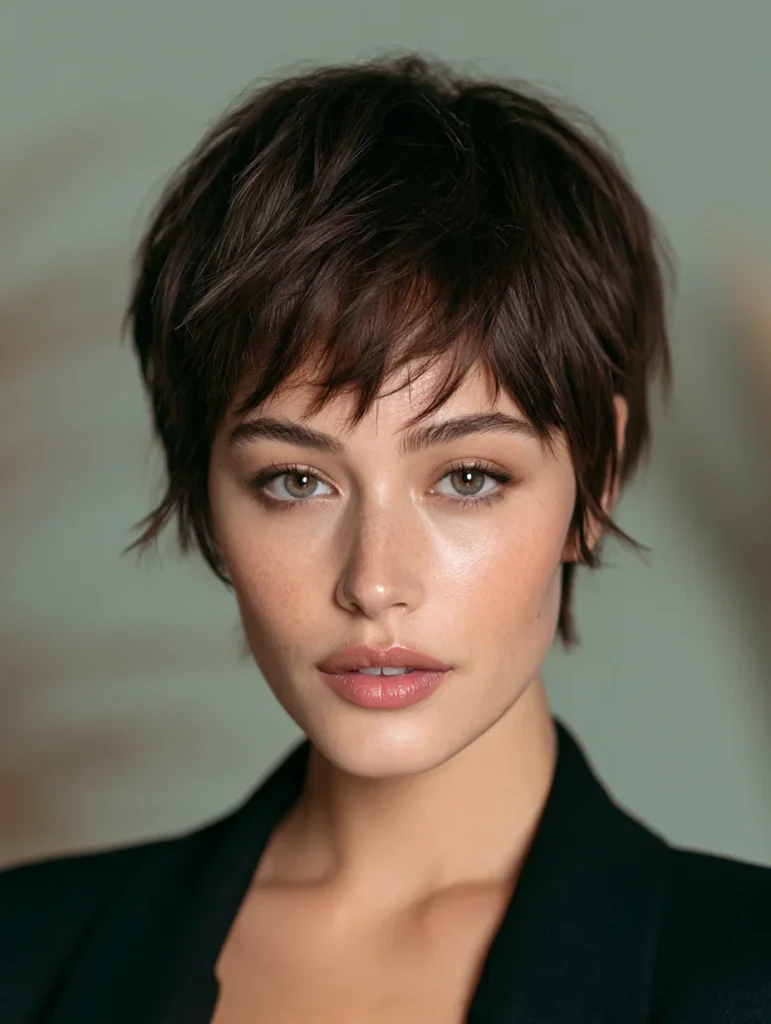
The bixie sits between a bob and a pixie, with cropped layers at the nape and slightly longer pieces around the ears and forehead. The result is a rounded, airy shape that avoids both the severity of a pixie and the heaviness of a bob. Wispy bangs finish the front.
It suits fine, straight, or slightly wavy hair, and works for oval, heart, and long faces. Plan on a trim every six weeks and a bit of texture cream to separate the layers each morning.
18. Blunt Bob with Face-Framing Layers
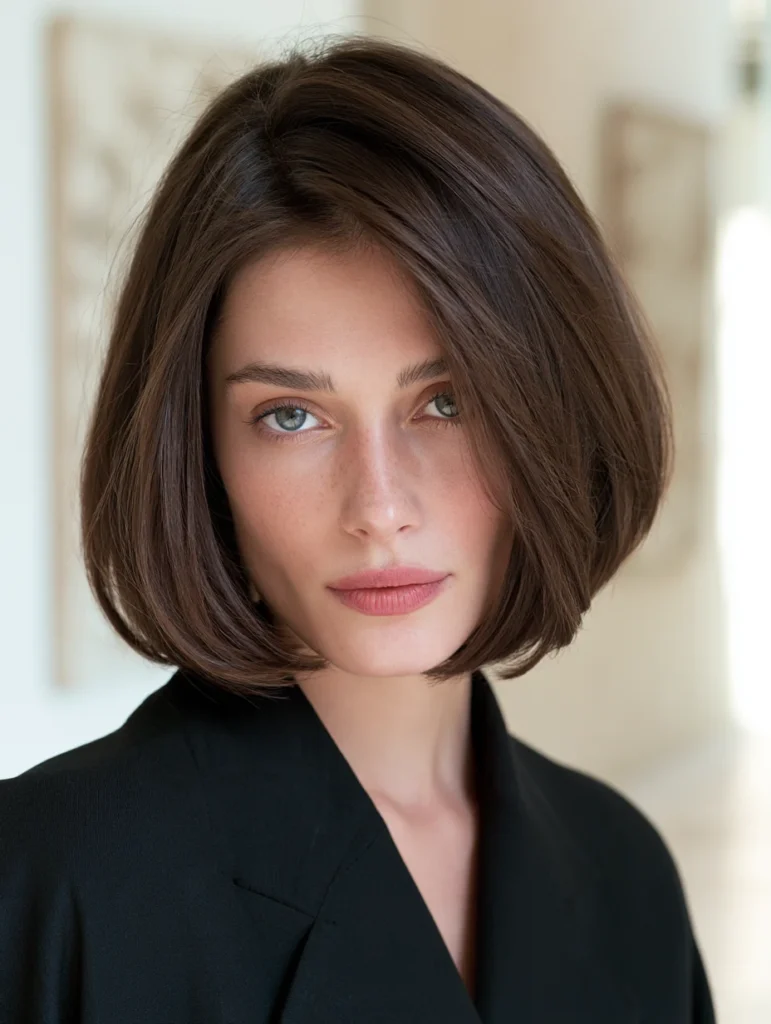
- Length: Chin to jawline, with the main weight kept in one clean line.
- Face-framing layers: Two or three shorter pieces start at the cheekbones and curve toward the jaw.
- Volume: The blunt perimeter creates density while the layers soften the edges.
- Finish: Smooth with a slight bend at the ends.
- Maintenance: A trim every seven to eight weeks keeps the line sharp.
The combination gives fine hair both a thick-looking base and soft movement around the face. A round brush at the front and a flat iron at the back give a controlled, polished finish, with little product needed.
19. Short Curly Cut for Thin Hair
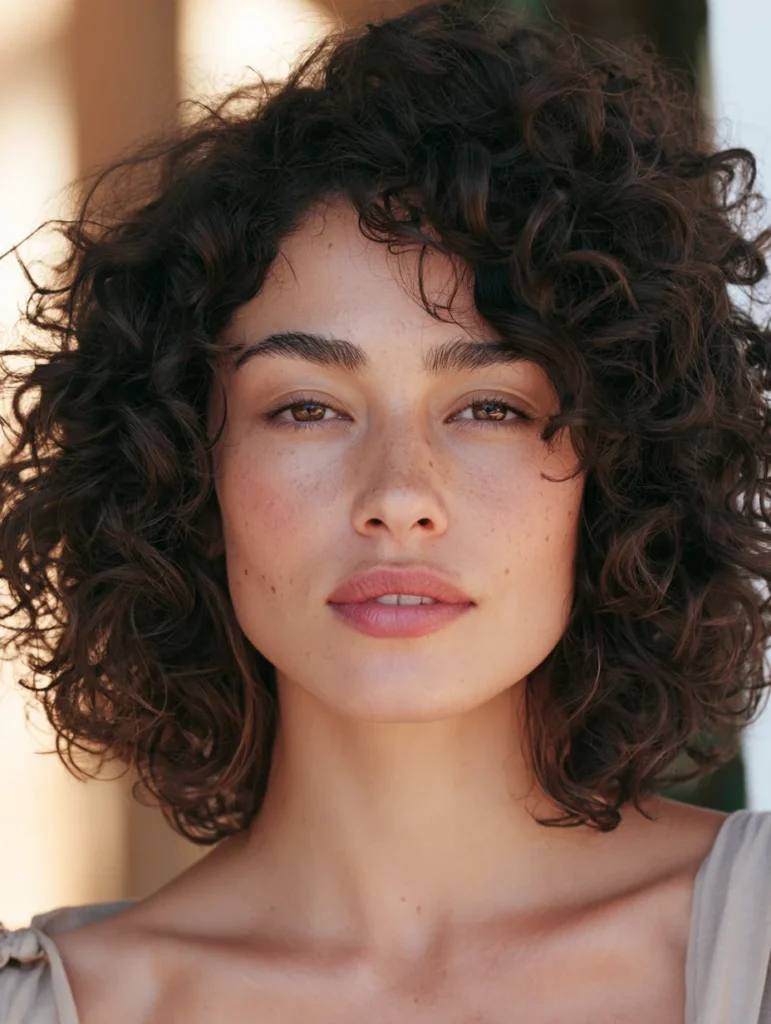
Quick Tip: Cut curly hair dry or ask your stylist to cut it curl by curl, so each ringlet sits where it should. Scrunch a lightweight mousse into soaking-wet hair, then diffuse with the head tilted to the side for root volume.
Short curls add natural width and density that fine straight hair cannot match. Keep the shape rounded and avoid heavy creams, which weigh the curls down and reduce spring.
20. Sleek Straight Bob
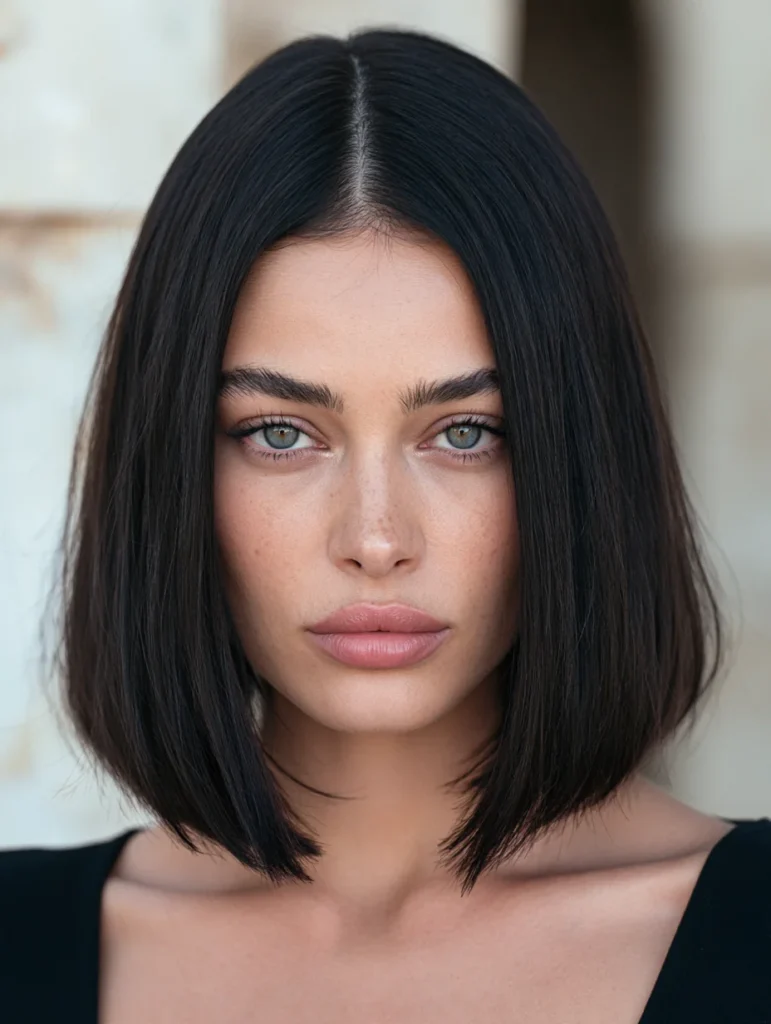
BEFORE
Straight, fine hair with no shape can look flat and see-through at the ends, especially in humid weather. Flyaways frizz around the crown, and the hair hangs without any visible movement.
AFTER
A precisely cut, glossy bob with a smooth, mirror-like finish reads thick and polished. The ends look dense and the shape holds its line from root to tip.
A heat protectant and a flat iron set to a moderate temperature do most of the work. Finish with a drop of lightweight shine serum on the ends, and avoid heavy oil near the roots.
21. Pixie Cut with Long Bangs
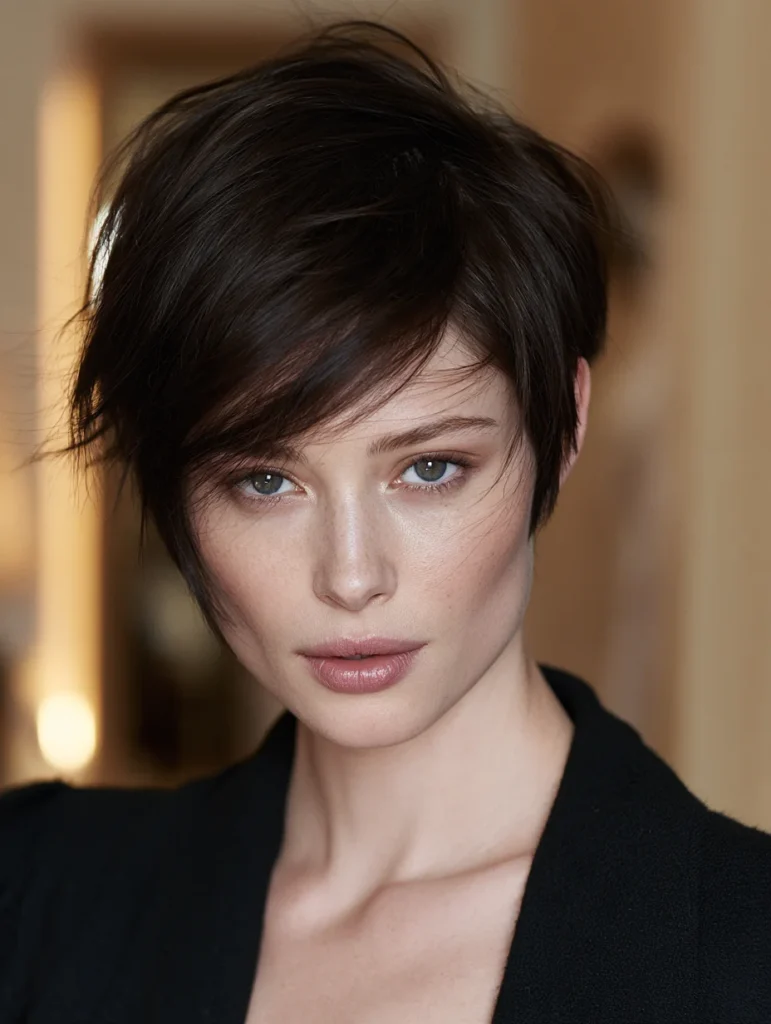
- Apply a light root-lifting spray to damp hair and blow-dry the crown upward.
- Dry the long bangs forward over a small round brush, then sweep them to one side.
- Rough up the top with a bit of matte paste, keeping the sides smooth.
- Finish with a light mist of flexible hairspray to hold the bang shape.
Long bangs soften a short crop and hide a high forehead, and they suit round, square, and oval face shapes. The extra length at the front gives fine hair a base to build volume from, and a trim every four weeks keeps the fringe from getting heavy.
22. Shaggy Bob with Texture
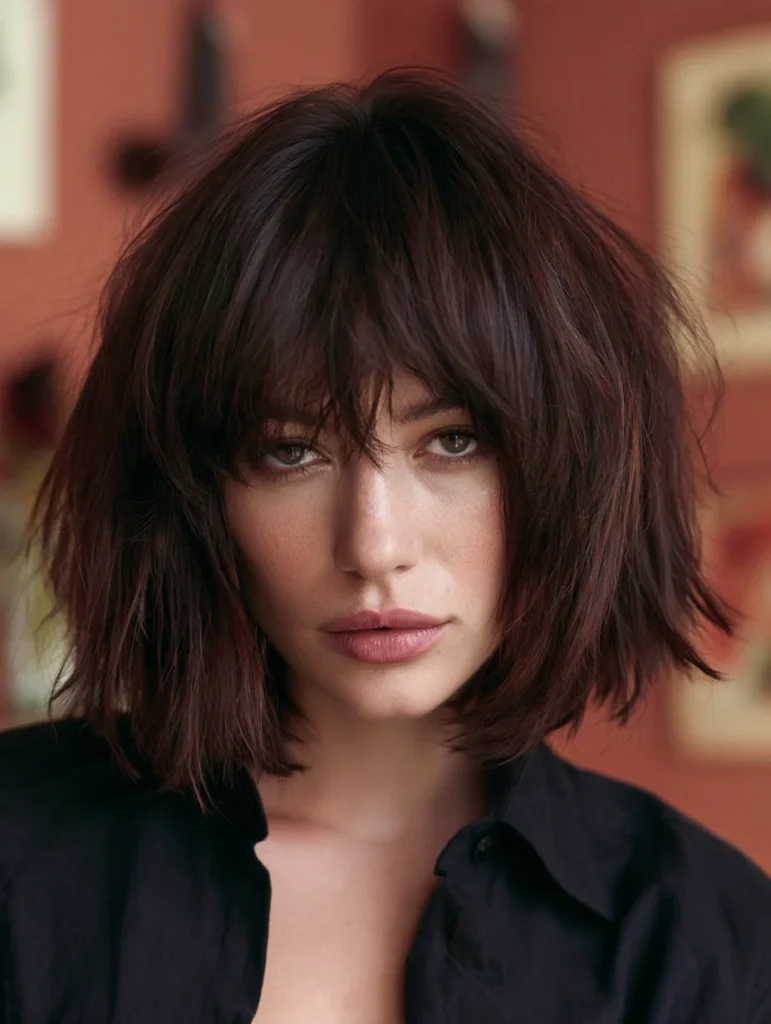
| Feature | Soft Shag | Choppy Shag |
| Layers | Long and blended | Short and visible |
| Volume | Medium | High |
| Styling time | Five minutes | Ten minutes |
| Best for | Fine, wavy hair | Straight, fine hair |
A soft shag blends layers gently into the length, so it suits hair with natural bend and a relaxed routine. A choppy shag shows its pieces more openly and needs a little more styling, but gives straight hair a stronger lift. Pick based on how much texture your hair already has.
23. Short Layered Cut with Highlights for Depth
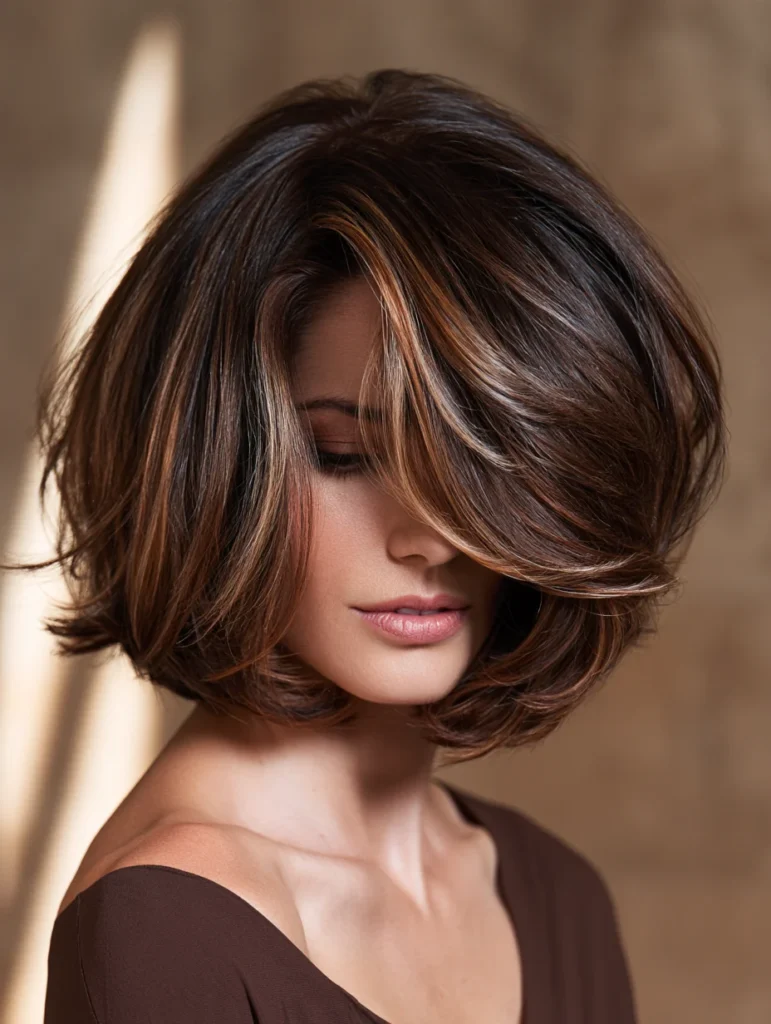
DO:
- Ask for babylights or fine, scattered highlights rather than thick streaks.
- Keep the layers shallow and the ends soft.
- Choose tones one or two shades apart from your base color.
- Use a color-safe shampoo to protect the dimension.
DON’T:
- Choose one flat shade across the whole head.
- Bleach fragile ends heavily.
- Skip a gloss treatment between salon visits.
- Use high heat on lightened strands without protection.
Dimension tricks the eye, because lighter strands catch light and create the look of more hair. Layers and highlights work together, with the cut providing shape and the color adding depth.
How to Choose the Best Short Hairstyle for Thin Hair
Start with your face shape, since it decides where volume and length look best. Round faces gain from longer front pieces and a bit of height at the crown, while long faces do well with chin-length cuts and bangs. Square faces look softer with wispy layers, and heart-shaped faces suit side-swept fringes.
Hair texture matters just as much. Straight, fine hair often looks fuller with a blunt edge, while wavy or curly hair benefits from soft layers that follow its natural pattern. Think about your routine too, because a pixie needs frequent trims and a quick daily restyle, while a bob can go longer between salon visits.
Styling Tips to Make Thin Hair Look Fuller
Wash with a lightweight volumizing shampoo and keep conditioner to the ends, since heavy formulas weigh strands down. Blow-dry the roots upward before anything else, and use a cool setting at the end to lock the lift in place.
Switch your part now and then, because hair trained to one side tends to lie flat there. Dry shampoo can add grip at the roots on day two, and a texturizing spray gives separation without stiffness. Protect your strands with a heat protectant, and keep tools at moderate temperatures to prevent breakage that makes thin hair look thinner.
Short Hairstyles to Avoid If You Have Thin Hair
Very short, heavily thinned layers can expose the scalp and make hair look sparse. Long, one-length cuts that go well past the shoulders may pull fine strands downward and flatten the crown. Heavy, blunt bangs can take too much hair from the top and leave the rest looking see-through.
Avoid razor cuts on extremely fragile ends, because they can leave strands frayed. Overly sleek, heavily layered styles can also look stringy on fine hair, so keep the shape simple and the edges purposeful.
FAQs
What is the best short haircut for thin hair?
A blunt bob at chin length is one of the most reliable choices, because the straight edge makes the ends look dense. Textured pixies and soft layered bobs also work well, depending on your face shape and how much styling time you want.
Do short hairstyles make thin hair look thicker?
Yes, in most cases. Shorter lengths remove the weight that pulls fine hair flat, and the right cut keeps the strands closer together. Blunt edges and shallow layers add the strongest sense of density.
Is a bob or pixie better for thin hair?
Neither is better for everyone. A bob gives density through a clean outline, while a pixie lifts the crown and removes length that drags the hair down. Choose by face shape, texture, and how often you are willing to trim.
Are layers good for thin hair?
Soft, shallow layers add movement and shape, but too many can make the ends look wispy. Ask for layers around the face or crown and keep the perimeter fuller.
How can I make short thin hair look fuller?
Blow-dry the roots upward, use lightweight volumizing products, and finish with a cool blast of air. A bit of dry shampoo at the roots adds grip, and regular trims keep the shape from looking tired.
Conclusion
The right cut can change how fine strands look, and the best short hairstyles for thin hair share a few traits: clean edges, shallow layers, and shapes that lift at the crown. Whether you prefer a blunt bob, a textured pixie, or a soft shag, choose the one that fits your face shape, hair texture, and daily routine.
Keep products light, protect your hair from heat, and trim on schedule. Save this article on Pinterest so you can show your favorite look to your stylist at your next appointment.