29 Long-Lasting Hairstyles for Black Women
Finding a hairstyle that stays beautiful for days or even weeks can make your routine so much easier. The right protective style can help reduce daily manipulation while giving you a polished look that works for casual days, work, vacations, and special occasions.
From knotless box braids and passion twists to faux locs and natural updos, there are plenty of options for different textures, lengths, and personal styles. If you want a hairstyle that looks fresh without constant styling, these long-lasting hairstyles for Black women are worth considering.
1. Knotless Box Braids
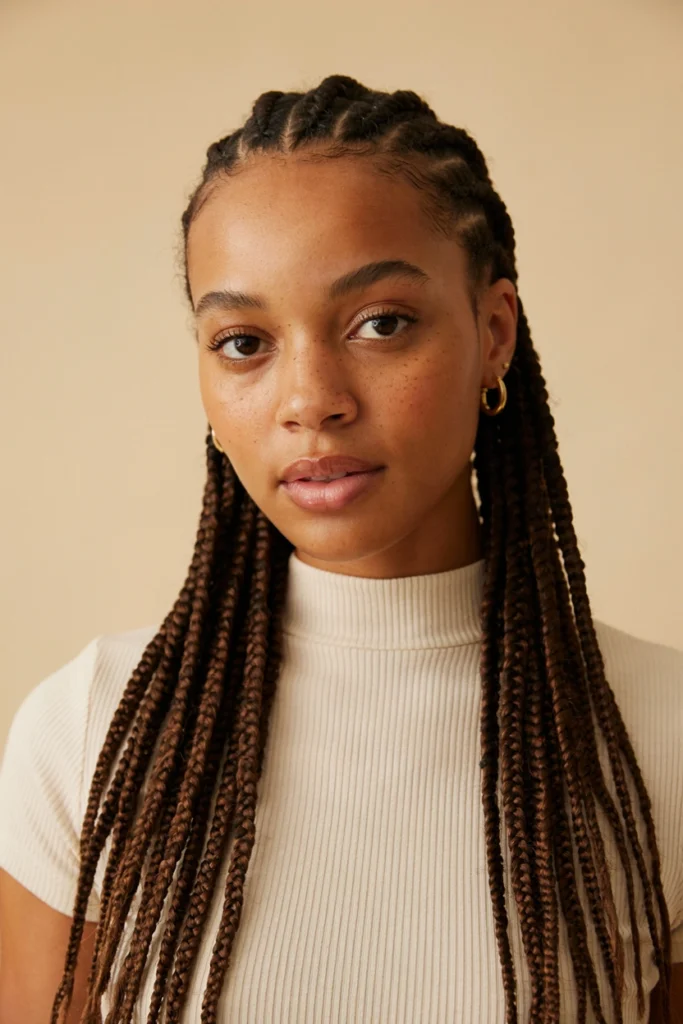
Knotless box braids are one of the most versatile choices when you want a protective style that can stay neat for several weeks. Because the braiding technique starts with your natural hair and gradually adds extensions, the roots usually feel lighter than traditional box braids. You can choose small, medium, or jumbo sections depending on the amount of styling time you prefer.
They also give you plenty of options once installed. Wear them loose, pull them into a ponytail, create a bun, or style them into a half-up look. Keeping your scalp clean and protecting the braids at night can help them maintain their neat appearance.
- Choose a size that matches your hair density.
- Use a satin scarf or bonnet at night.
- Avoid excessive pulling around the hairline.
2. Classic Box Braids
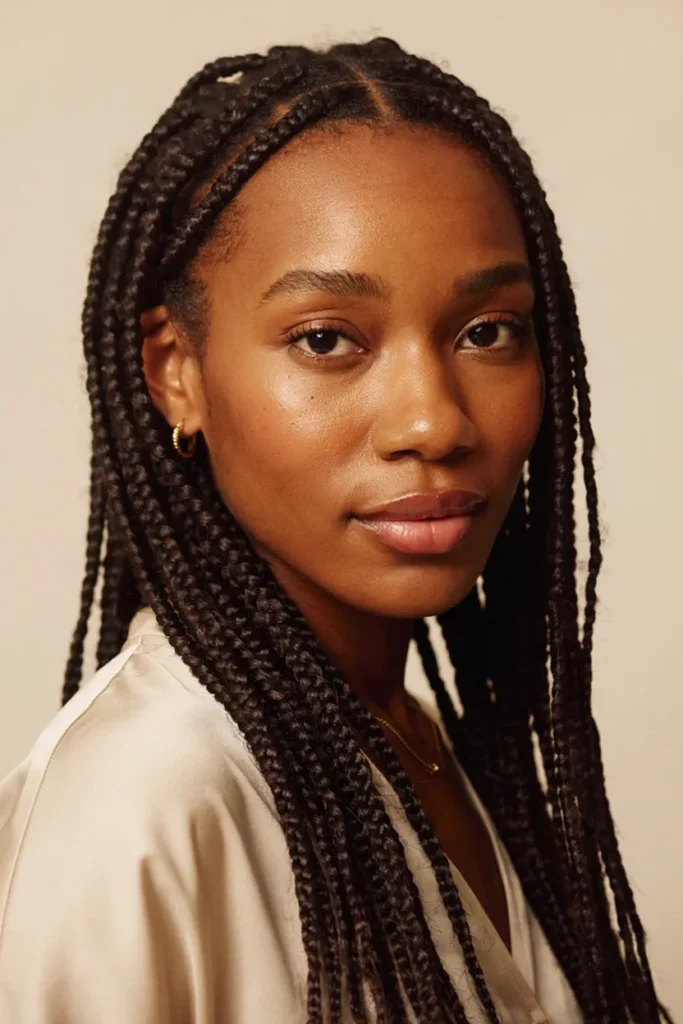
Classic box braids remain a reliable choice for long-lasting styling. Their structured sections create a clean appearance that can work beautifully with short, medium, or long hair. You can customize the look with different braid sizes, lengths, colors, and parting patterns.
With proper care, box braids can remain attractive for weeks. Try not to constantly restyle them into tight buns or ponytails because repeated tension can put unnecessary stress on your edges. A light scalp moisturizer and regular nighttime protection can help keep the style looking polished.
- Pick medium braids for easier maintenance.
- Refresh your scalp when needed.
- Keep your roots from becoming overly tight or tangled.
3. Fulani Braids

Fulani braids combine cornrows, individual braids, and decorative details for a distinctive hairstyle. They often feature a center part, braided designs around the front, and loose braids toward the back. Beads, cuffs, or subtle accessories can add even more personality.
This style is particularly appealing when you want a protective hairstyle that feels detailed without requiring daily work. Since the front section receives the most attention, keep your edges moisturized and avoid pulling the braids too tightly when styling.
- Add beads for a traditional-inspired finish.
- Choose a middle or side part.
- Keep accessories lightweight.
4. Tribal Braids
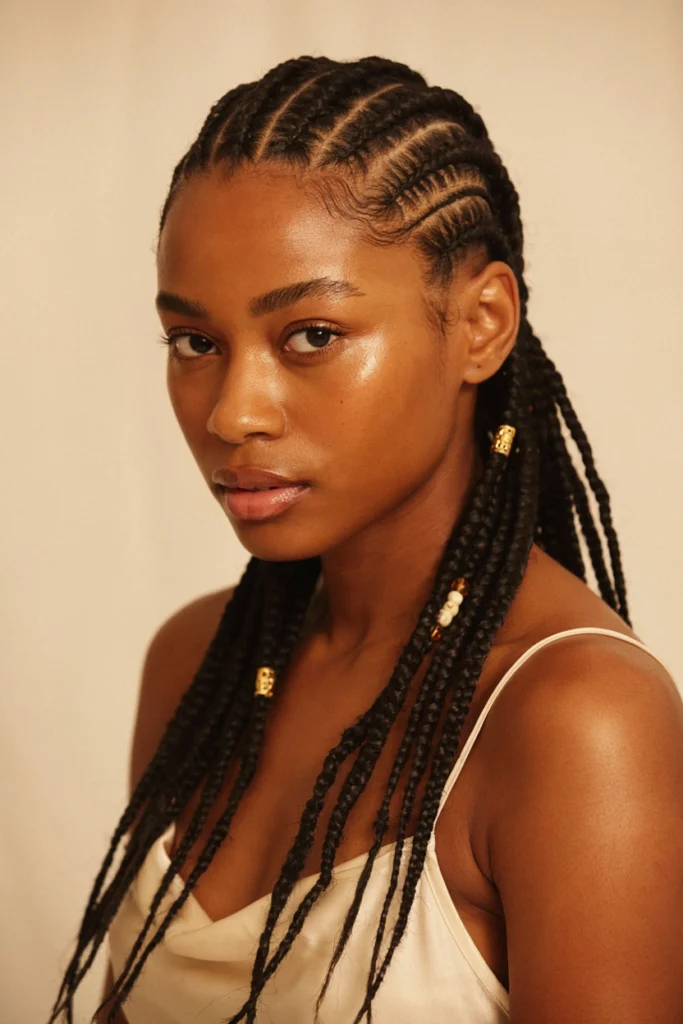
Tribal braids create an artistic look through layered sections, intricate cornrows, and individual braids. The combination of patterns makes this hairstyle stand out while still offering the convenience of a protective style. You can choose a simple design or go for a more elaborate arrangement.
The beauty of tribal braids comes from their versatility. They can include beads, cuffs, curly ends, or different braid sizes. Give your scalp regular attention and protect the style overnight to help the braids stay attractive for longer.
- Choose patterns that complement your face shape.
- Use lightweight accessories.
- Keep the scalp clean between washes.
5. Feed-In Cornrows
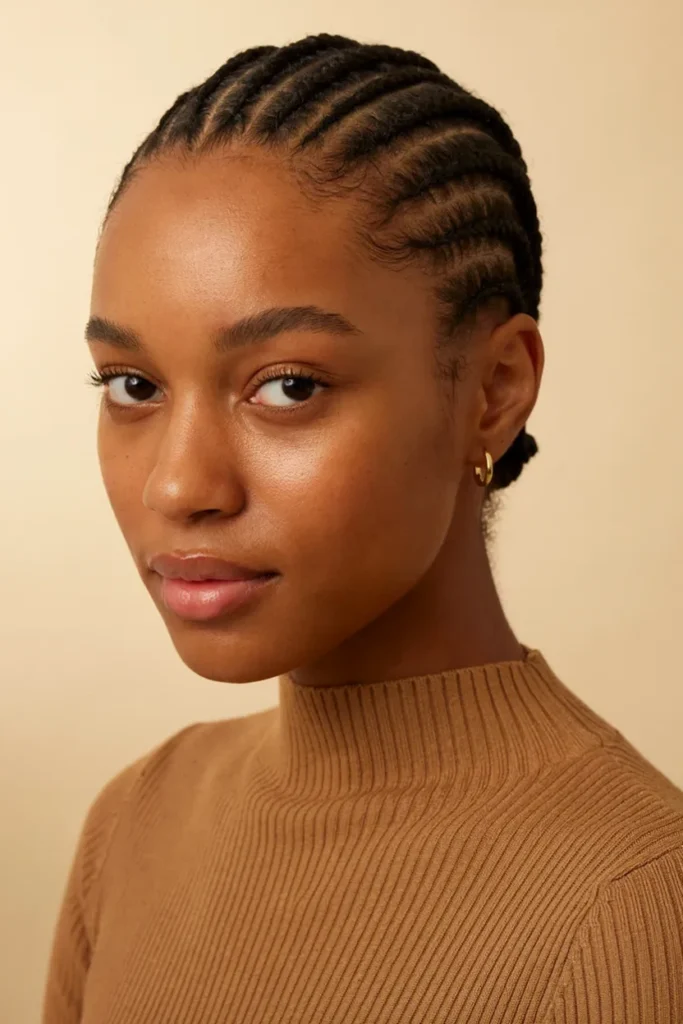
Feed-in cornrows create smooth, gradual braids that look natural and polished. Extensions are added progressively, which helps create a flatter appearance at the roots. You can wear them straight back, in curved patterns, or in creative geometric designs.
This hairstyle works especially well when you want something neat and practical. Since cornrows sit close to the scalp, avoid keeping them excessively tight. A satin scarf at night can help reduce friction and preserve the clean finish.
- Ask for comfortable tension.
- Keep the scalp moisturized without heavy buildup.
- Avoid wearing the same tight pattern repeatedly.
6. Lemonade Braids
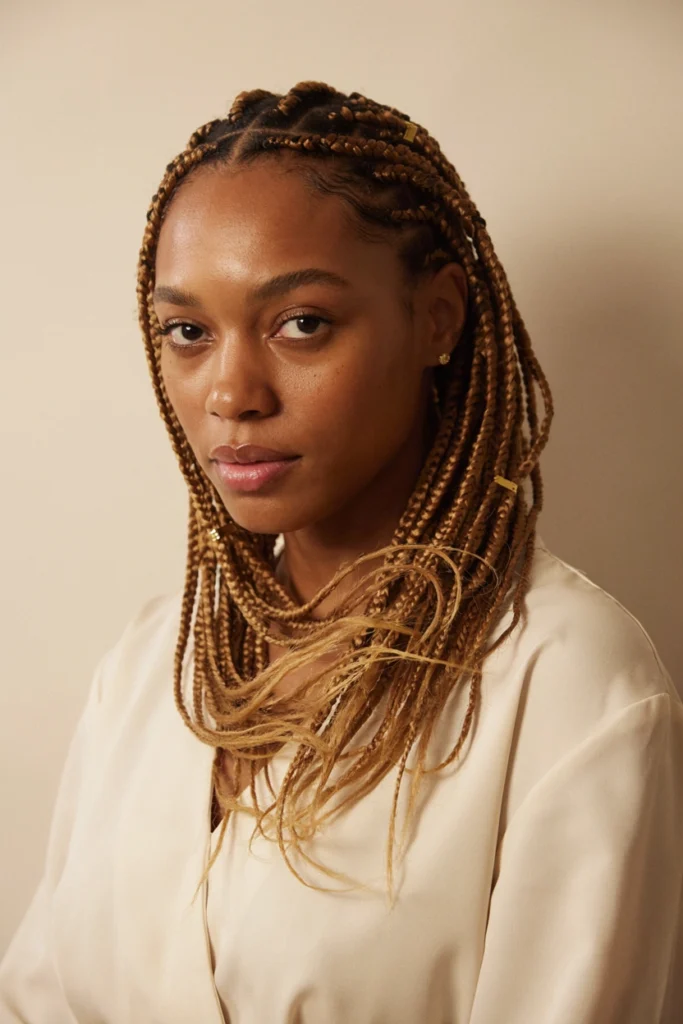
Lemonade braids feature rows that sweep toward one side of the head, creating a bold and flattering silhouette. They can be created in different sizes, making the style easy to personalize. Small details such as cuffs or beads can make the finished look even more eye-catching.
Because the braids are secured close to the scalp, nighttime care matters. Wrap your hair before sleeping and avoid constantly pulling the braids into high ponytails. With gentle care, the style can maintain its sleek appearance for weeks.
- Try different braid sizes.
- Add subtle metallic cuffs.
- Protect the style with satin at night.
7. Stitch Braids
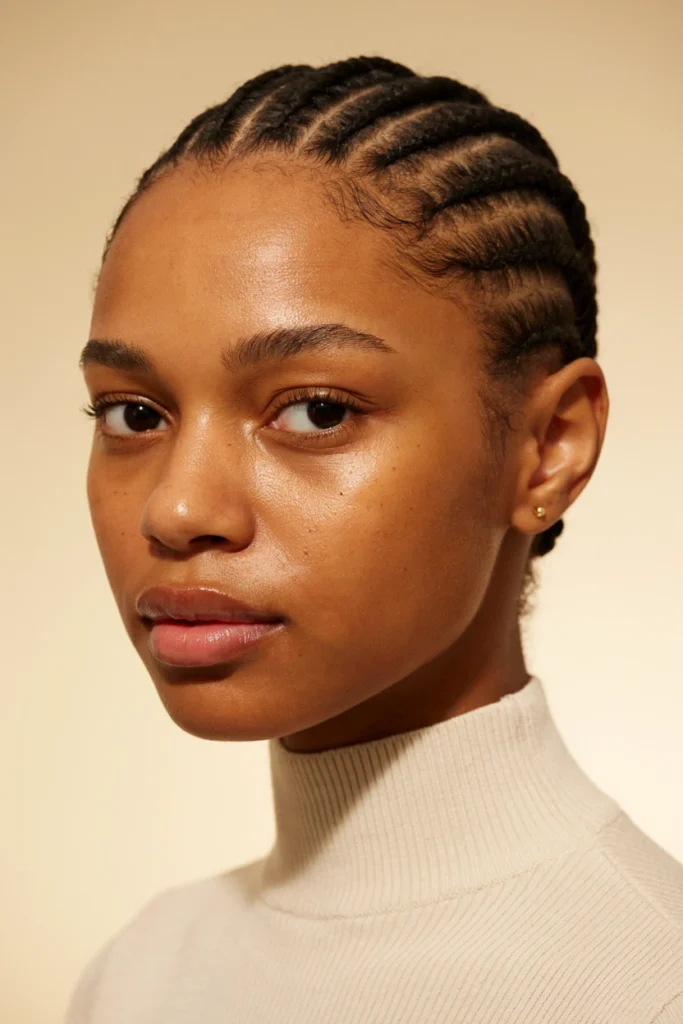
Stitch braids are known for their precise horizontal sections and clean lines. The technique creates a sharp, structured appearance that looks especially striking with medium or long hair. You can choose simple straight-back rows or combine them with curved and decorative patterns.
This hairstyle can remain neat for an extended period when you minimize friction and excessive manipulation. Since the precision of the parting is an important part of the look, protecting your hair while sleeping can help maintain the crisp appearance.
- Choose clean, defined sections.
- Avoid excessive scalp scratching.
- Use a silk or satin covering at bedtime.
8. Goddess Braids
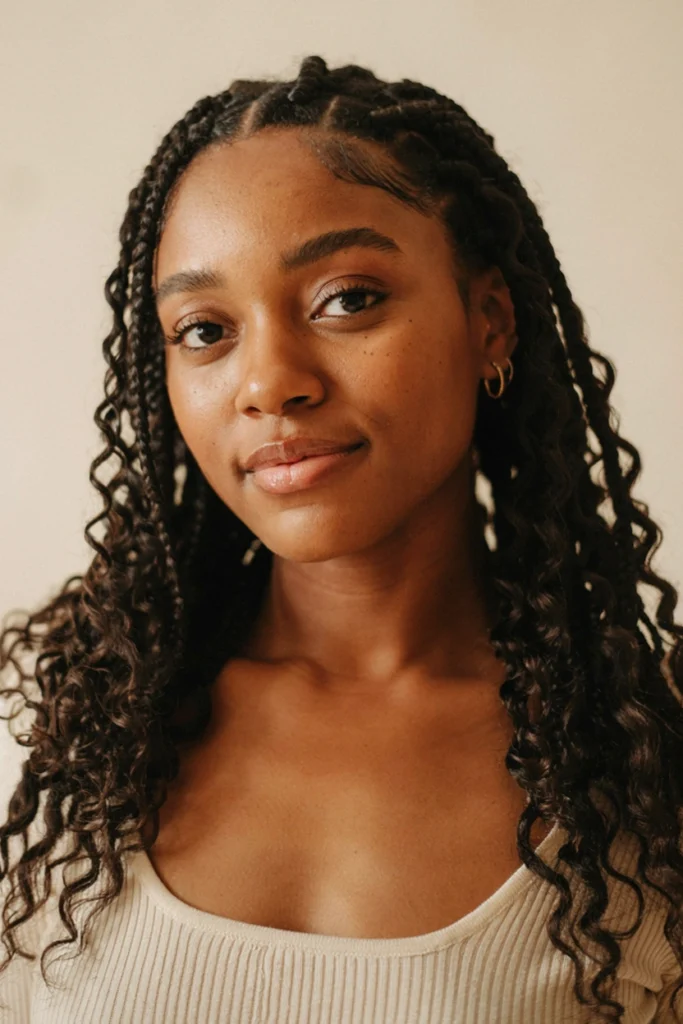
Goddess braids combine traditional braiding with loose, curly, or wavy pieces for a softer finish. They create a romantic look while still giving you the convenience of a protective hairstyle. The contrast between structured braids and flowing curls makes the style especially beautiful for events.
You can wear goddess braids long, medium, or short depending on your preference. To keep the loose curls looking fresh, separate them gently with your fingers and avoid excessive brushing. A light mist can help refresh the texture when needed.
- Use loose curls for a softer finish.
- Refresh curls gently.
- Sleep with a satin bonnet.
9. Boho Braids
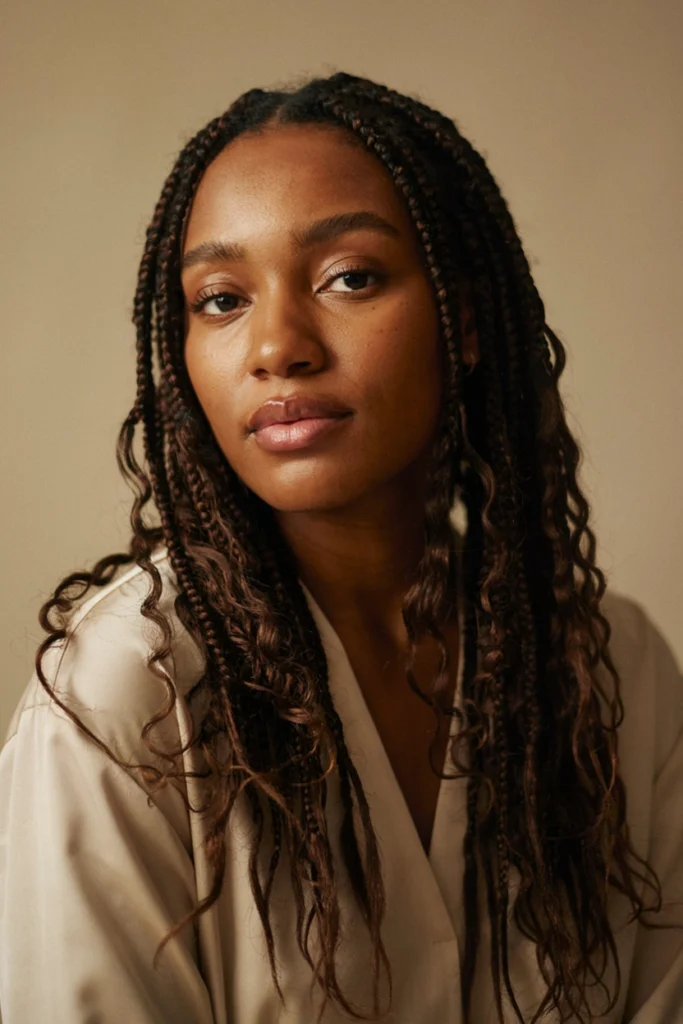
Boho braids add loose curly strands throughout traditional braids, creating a relaxed and textured appearance. They are perfect when you want a hairstyle that feels effortless but still looks carefully styled. You can choose subtle waves or fuller curls depending on your desired finish.
The loose pieces require a little extra attention because they can tangle more easily than the braided sections. Detangle them gently with your fingers and protect the entire style at night. Avoid excessive manipulation to keep the curls looking attractive.
- Keep curly pieces moisturized.
- Finger-detangle instead of brushing aggressively.
- Choose fewer loose strands for easier maintenance.
10. Passion Twists
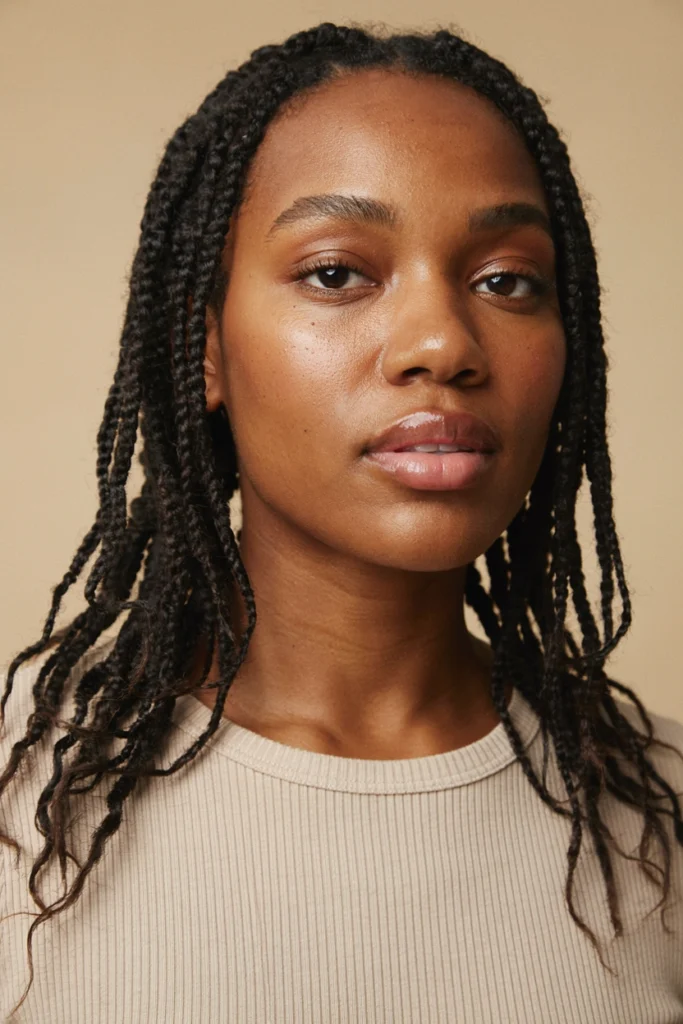
Passion twists offer a soft, textured appearance that works beautifully for everyday wear. Their rope-like structure creates plenty of movement while extensions can add length and fullness. They are available in different sizes, from small twists to fuller versions.
This style is easy to personalize and can be worn loose, in a ponytail, or gathered into a bun. Keep your scalp clean and avoid excessive tension when styling. Nighttime protection helps reduce frizz and keeps the twists looking neat.
- Choose medium twists for versatility.
- Avoid heavy products that cause buildup.
- Wrap the twists before sleeping.
11. Senegalese Twists

Senegalese twists are smooth, polished, and elegant. Their sleek rope-like finish makes them suitable for both everyday outfits and formal occasions. You can choose different lengths and thicknesses depending on how dramatic or subtle you want the style to look.
One advantage of Senegalese twists is the number of ways you can style them after installation. Try a high bun, low ponytail, half-up style, or simply wear them down. Keep the roots comfortable and avoid repeatedly creating tight styles.
- Use lightweight extensions.
- Try a deep side part.
- Keep the scalp free from heavy buildup.
12. Marley Twists
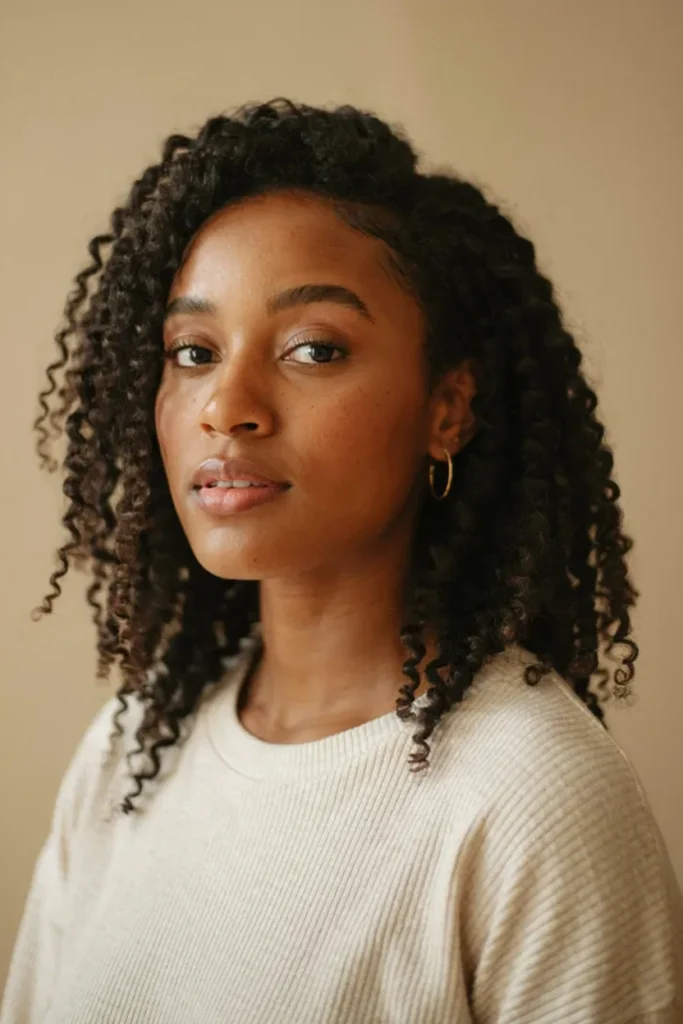
Marley twists have a textured finish that blends beautifully with natural hair. They create a fuller, more relaxed appearance than some smoother twist styles. Their texture makes them especially appealing if you prefer a natural-looking protective hairstyle.
You can wear Marley twists at different lengths and thicknesses. They also look beautiful gathered into a large bun or ponytail. To preserve the texture, avoid excessive brushing and use gentle products that do not leave heavy residue.
- Choose textured extensions for a natural finish.
- Wear loose or in a low bun.
- Protect the style overnight.
13. Havana Twists

Havana twists are bold, chunky, and full of texture. They provide a statement-making appearance without requiring daily manipulation. Their larger size also makes them quicker to install than many smaller braid styles.
Although Havana twists are relatively easy to maintain, avoid making them excessively heavy. Large twists can place tension on the roots if the extensions are too thick or the installation is too tight. Keep your styling simple and comfortable.
- Choose lightweight extensions when possible.
- Avoid excessive length if your hair is delicate.
- Refresh the scalp regularly.
14. Faux Locs
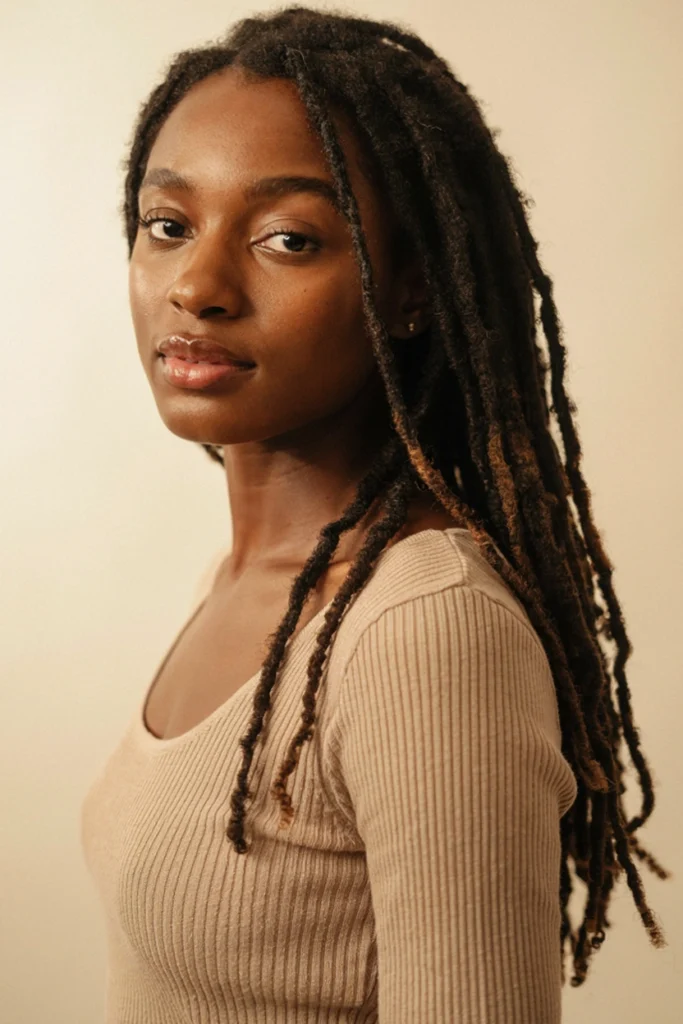
Faux locs give you the appearance of mature locs without committing to permanent locs. They can be created in various lengths, colors, and textures, allowing you to achieve anything from subtle and natural to bold and dramatic.
Faux locs can last for weeks when installed properly and maintained gently. Because they may be heavier than other protective styles, pay attention to how your scalp and roots feel. Avoid tight updos and give your hair a break between installations.
- Choose a manageable length.
- Avoid overly heavy loc extensions.
- Keep your roots comfortable.
15. Butterfly Locs
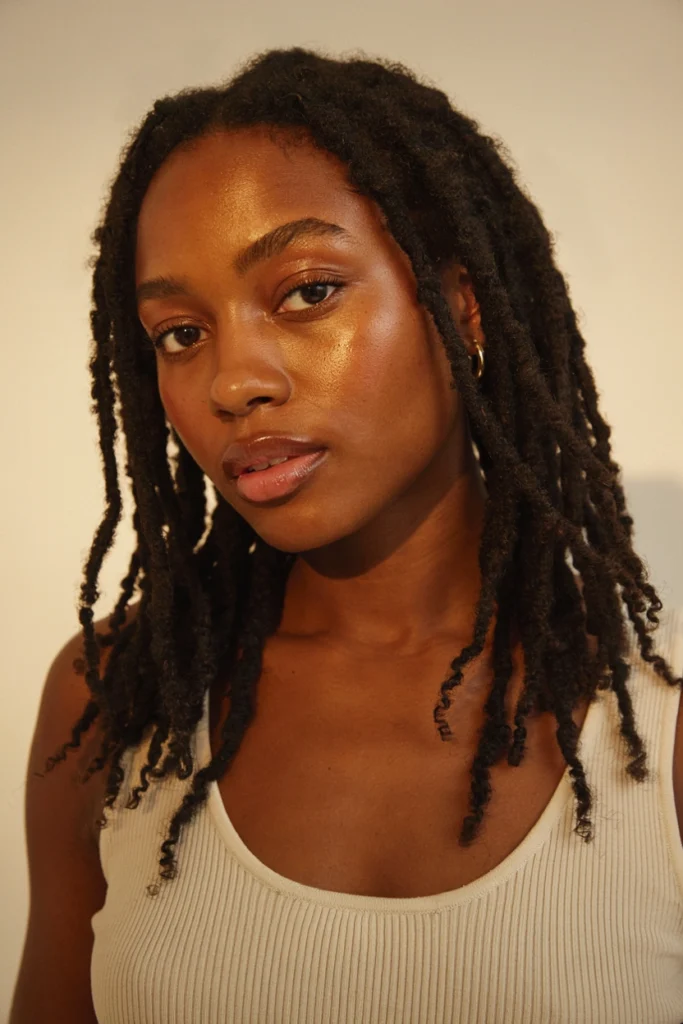
Butterfly locs have a distressed, textured appearance that makes them different from traditional faux locs. Their loose loops and soft texture create a casual look that works beautifully with relaxed outfits and everyday styling.
They can remain attractive for several weeks with proper care. Their textured surface may collect lint or product buildup, so keeping your routine simple is helpful. Wrap the locs before bed and avoid repeatedly pulling them into tight styles.
- Choose medium-sized locs for versatility.
- Avoid heavy product buildup.
- Use satin protection at night.
16. Soft Locs
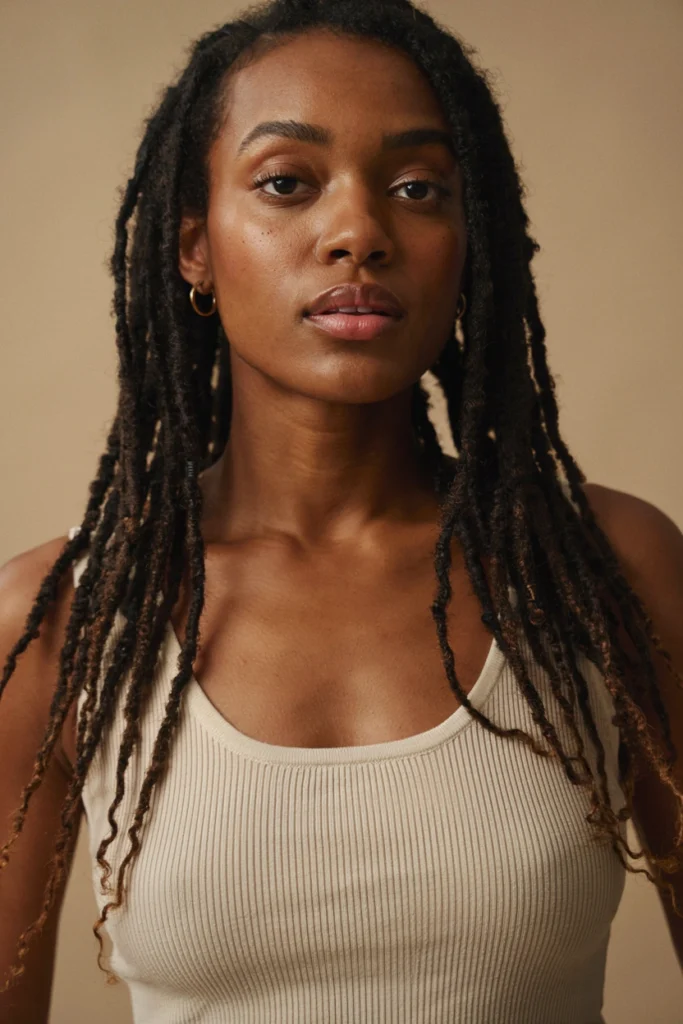
Soft locs offer a flexible alternative when you want the loc-inspired look without a stiff finish. They feel lighter and tend to have a softer appearance, making them comfortable for many everyday looks.
You can wear them down or gather them into simple styles. Because the locs can become frizzy with excessive friction, nighttime protection is essential. A satin bonnet or scarf can help preserve their texture and reduce unnecessary rubbing.
- Choose lightweight soft locs.
- Keep styling simple.
- Protect the locs while sleeping.
17. Starter Locs
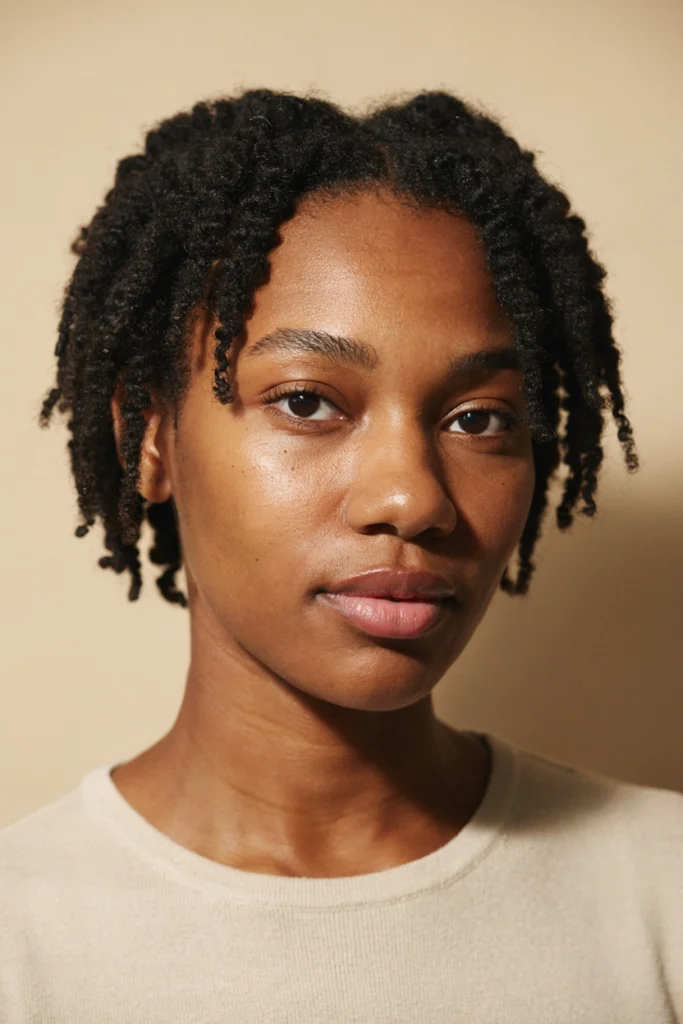
Starter locs mark the beginning of a natural loc journey. They can be created using several techniques, including coils, twists, or small braided sections. While the early stage requires patience, it gives you the foundation for your future locs.
Unlike temporary protective styles, starter locs need ongoing maintenance and time to mature. Avoid excessive manipulation and follow a consistent maintenance routine. Keeping the scalp clean and allowing the locs to develop naturally can support a healthy-looking journey.
- Avoid constantly retwisting the roots.
- Keep the scalp clean.
- Give your locs time to mature.
18. Traditional Locs

Traditional locs are a timeless hairstyle that can become a long-term signature look. Mature locs can be styled in countless ways, including ponytails, buns, half-up styles, and elegant updos.
The biggest advantage is that locs can simplify daily styling once they are established. Regular maintenance keeps the roots neat, while gentle washing and scalp care help maintain the overall appearance. Avoid overly tight styles that pull repeatedly on the same areas.
- Maintain your roots regularly.
- Keep your scalp clean.
- Rotate your styling options.
19. Crochet Braids
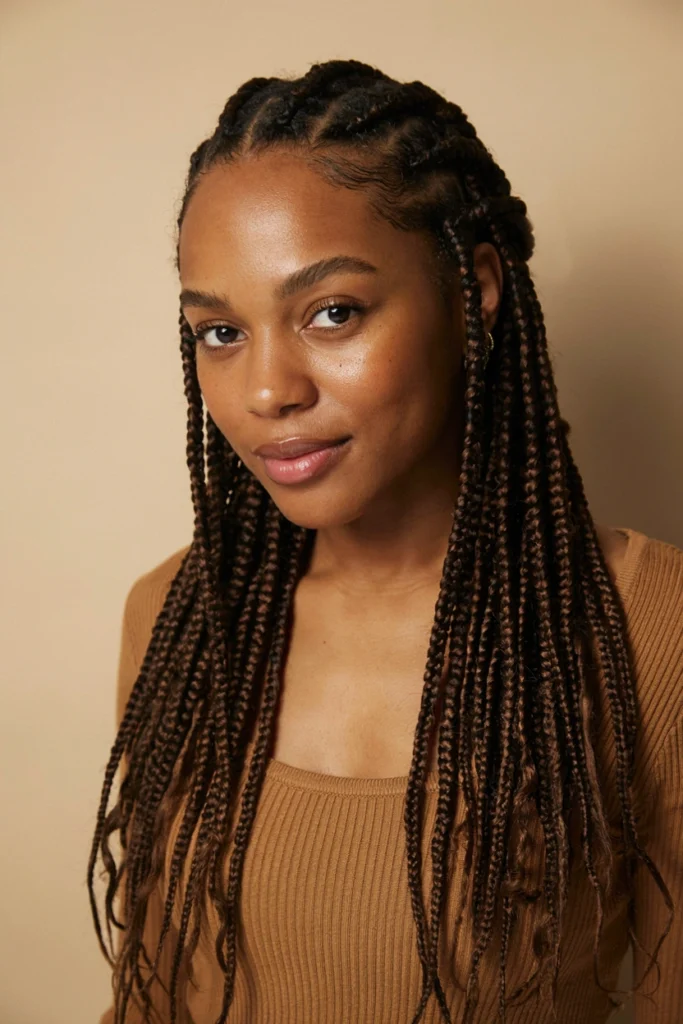
Crochet braids offer an efficient way to create a variety of hairstyles without manipulating your natural hair every day. You can choose curly textures, straight styles, twists, braids, or other patterns depending on the look you want.
Because the installation is relatively versatile, you can change your appearance without committing to one texture permanently. Choose a crochet style that is comfortable and not excessively heavy. Gentle nighttime protection can also help reduce frizz.
- Choose a texture that matches your lifestyle.
- Avoid excessive tension during installation.
- Keep the scalp clean.
20. Crochet Faux Locs
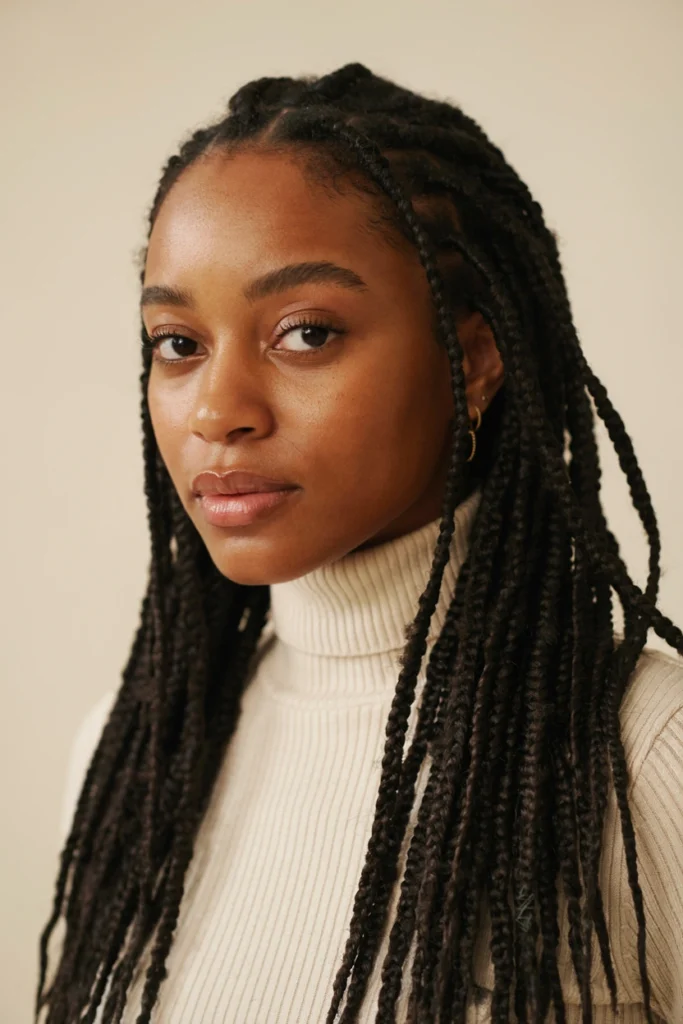
Crochet faux locs combine the convenience of crochet installation with the distinctive appearance of locs. They are a great option when you want a bold protective style without spending as much time creating individual locs.
You can choose short, medium, or long faux locs in natural or statement colors. Since the style can become heavy depending on the extensions, choose a comfortable installation and avoid excessive pulling at the roots.
- Choose a manageable length.
- Keep the installation comfortable.
- Avoid tight ponytails and buns.
21. Flat Twists

Flat twists are a simple protective style that can work particularly well with natural hair. They involve twisting sections close to the scalp and can be worn in straight rows, curved designs, or creative patterns.
They are often a practical option when you want to use your own hair without extensions. Depending on your hair texture and maintenance routine, flat twists can also create beautiful definition when unraveled.
- Moisturize before installation.
- Keep sections neat but not tight.
- Protect the style at night.
22. Two-Strand Twists
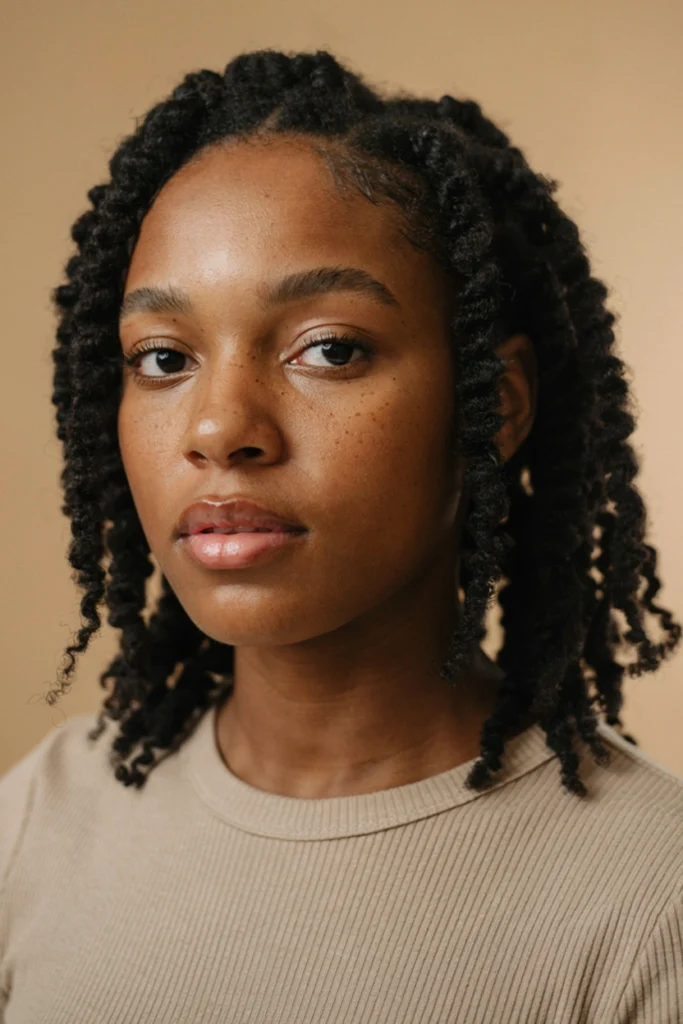
Two-strand twists are one of the easiest natural hairstyles to customize. You can create small, medium, or chunky twists depending on your hair length and desired result. They can be worn loose or transformed into other styles.
They are especially useful when you want a low-manipulation hairstyle using your natural hair. Keep the twists moisturized and protect them while sleeping to reduce frizz. When the style starts to loosen, you can refresh selected sections instead of redoing everything.
- Use smaller twists for longer wear.
- Apply lightweight moisture.
- Cover your hair before bed.
23. Mini Twists
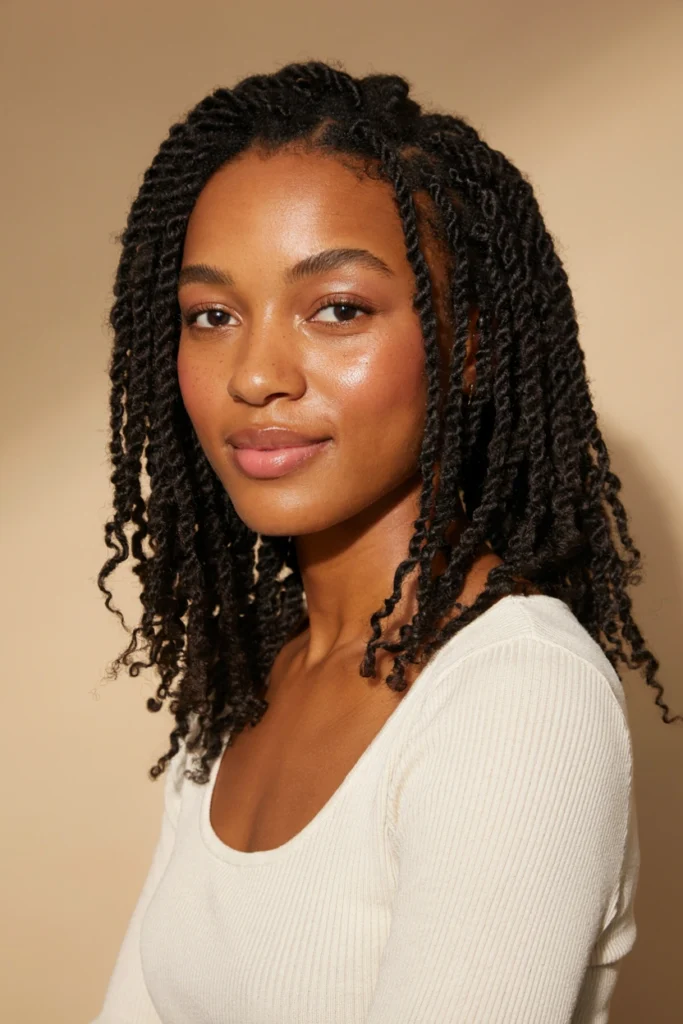
Mini twists offer a low-manipulation option for natural hair while giving you plenty of styling flexibility. Their small size allows you to wear them down, create buns, make ponytails, or experiment with half-up styles.
Because there are many individual twists, the installation can take time. However, once completed, they can simplify your daily routine. Keep them moisturized without overloading them with products, and use a satin covering at night.
- Start with clean, detangled hair.
- Keep products lightweight.
- Avoid excessive manipulation.
24. Bantu Knots
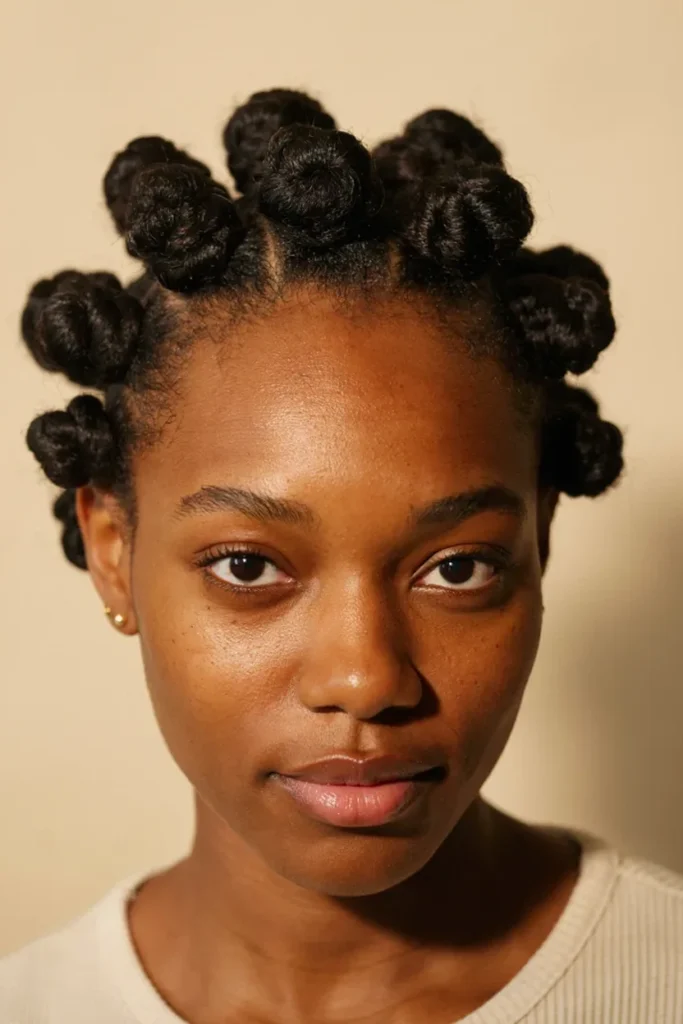
Bantu knots create a distinctive protective style by wrapping sections of hair into compact coiled knots. They can be worn as a complete hairstyle or used as a way to create curls when unraveled.
The style can work well on natural hair and does not require extensions. For a neat appearance, make the sections relatively even and keep the knots secure without creating excessive tension. Protect them at night to reduce frizz.
- Create even sections.
- Avoid twisting too tightly.
- Use a satin scarf while sleeping.
25. Braided Updo
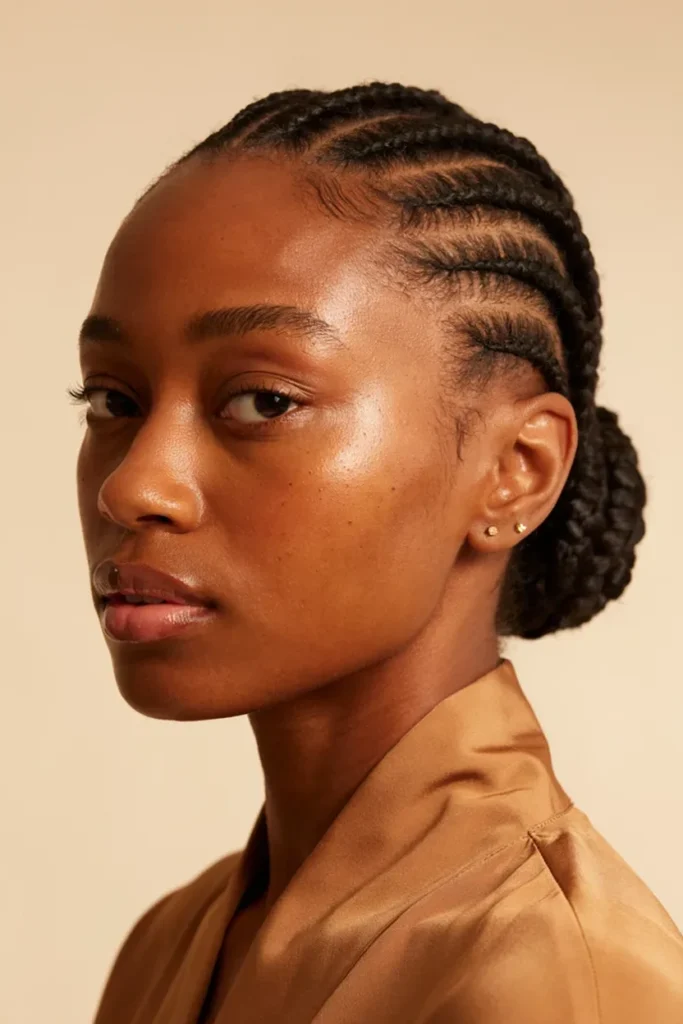
A braided updo combines the convenience of braids with an elegant gathered shape. You can create a high braided bun, low braided chignon, or a more elaborate updo depending on the occasion.
This style works beautifully for weddings, celebrations, work events, and everyday wear. Since the hair remains gathered, avoid keeping the updo excessively tight. Changing the placement of your bun can also help reduce repeated tension.
- Choose a comfortable placement.
- Add simple accessories for special occasions.
- Avoid excessive pulling around the edges.
26. Braided Ponytail
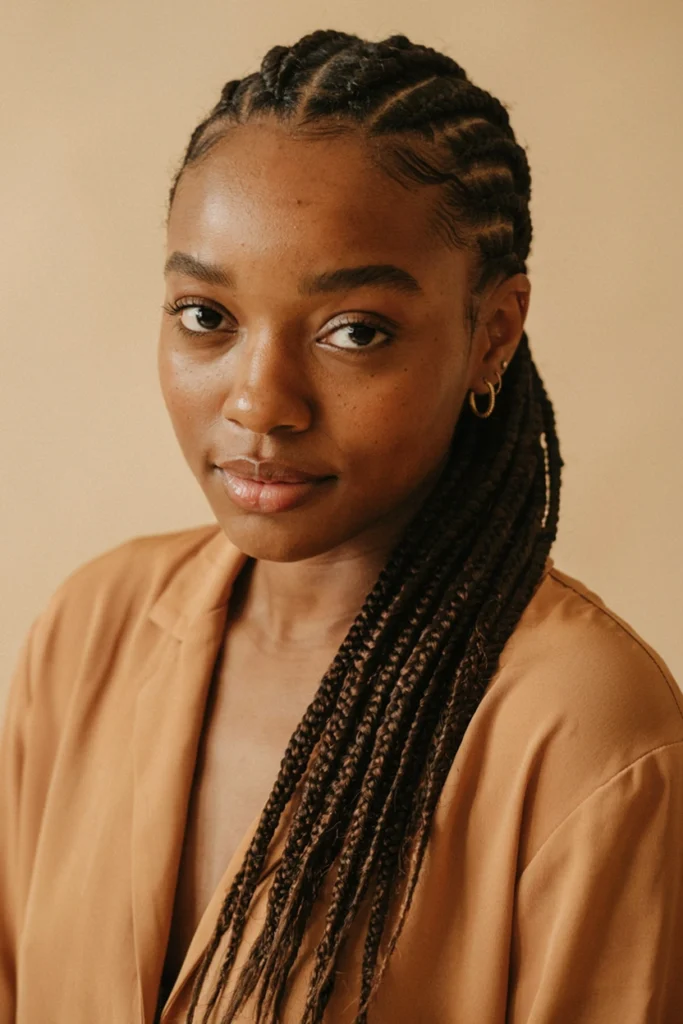
A braided ponytail gives you a sleek and practical hairstyle with plenty of length and movement. It can be created using natural hair, extensions, or a combination of braiding techniques.
The style works well when you want something that looks polished without requiring complicated daily styling. Keep the base comfortable and avoid constantly wearing the ponytail extremely high or tight, especially around the hairline.
- Try a low or mid-height ponytail.
- Use lightweight extensions.
- Protect the ponytail at night.
27. Low-Maintenance Wig Styles
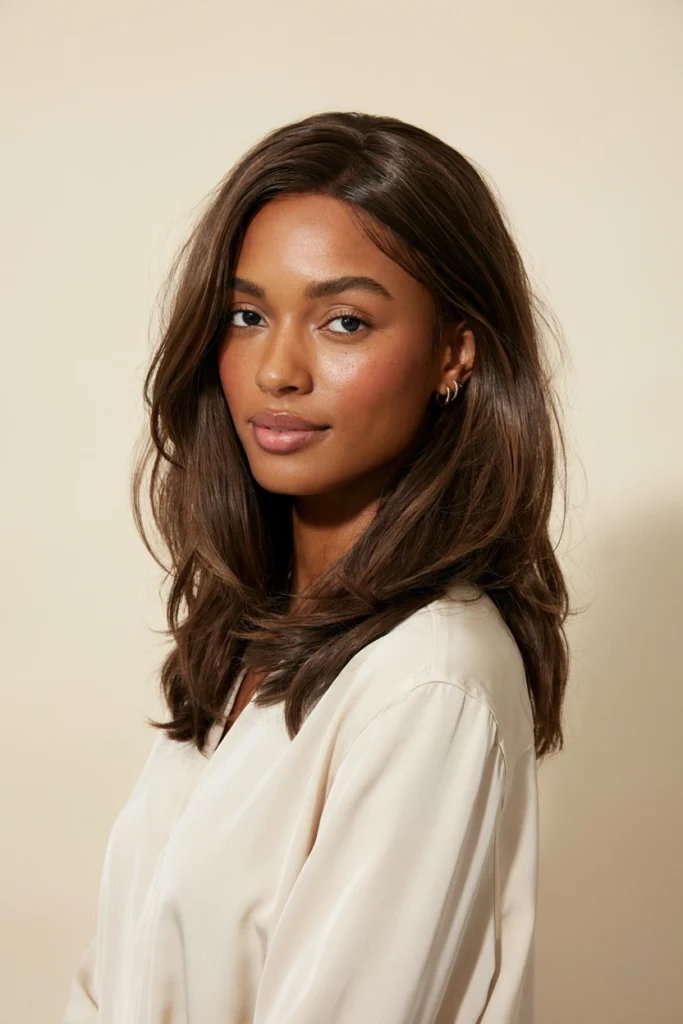
A low-maintenance wig can give you an easy way to change your hairstyle while keeping your natural hair underneath protected. Bob wigs, textured wigs, layered styles, and simple straight looks can all work well depending on your preference.
The key is to care for both the wig and your natural hair underneath. Avoid wearing a wig over damp or heavily moisturized hair for long periods. Give your scalp regular attention and make sure the wig does not create uncomfortable pressure.
- Choose breathable construction when possible.
- Keep your natural hair underneath clean.
- Avoid overly tight wig caps.
28. Sleek Protective Bun
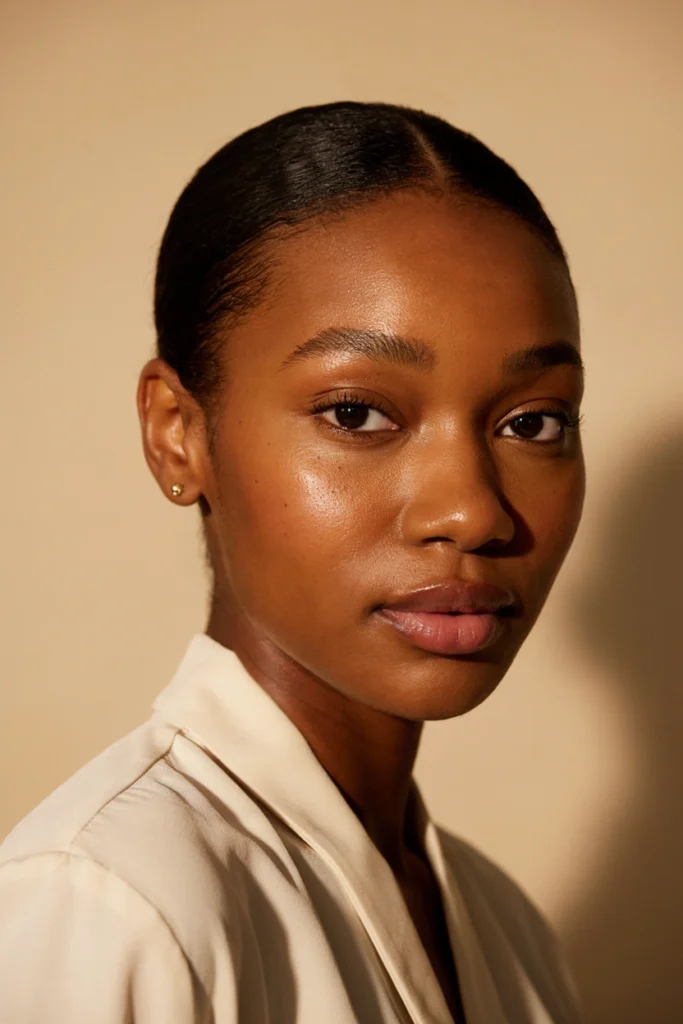
A sleek protective bun is a simple option when you want an elegant hairstyle without extensions. You can create a low bun at the nape of your neck or a slightly higher bun depending on your outfit and preference.
For a polished result, smooth your hair gently and secure the bun without excessive tension. A little styling product can help control flyaways, but avoid applying too much product because buildup can make the style difficult to maintain.
- Choose a low bun for less tension.
- Use a soft hair tie.
- Avoid pulling the edges tightly.
29. Natural Hair Updo

A natural hair updo allows you to work with your own texture while keeping your hair gathered and protected. You can create a puff, tucked bun, pinned updo, or twisted style depending on your hair length.
This is a great option when you want something simple enough for everyday wear but polished enough for special occasions. Keep your hair moisturized and avoid using excessive tension when securing the style.
- Use your natural texture to create volume.
- Moisturize before styling.
- Change the direction of your updo regularly.
How to Make Long-Lasting Hairstyles Last Longer
Even a well-installed hairstyle needs proper care. Your daily habits can make a noticeable difference in how long your style stays neat and comfortable.
Here are some simple ways to extend the life of your hairstyle:
- Protect your hair at night: Use a satin or silk bonnet, scarf, or pillowcase to reduce friction.
- Keep your scalp clean: Use a gentle cleansing method that works with your hairstyle.
- Avoid excessive manipulation: Constant touching, brushing, and restyling can create frizz.
- Control moisture carefully: Hydrate your natural hair and scalp without soaking the style unnecessarily.
- Avoid heavy product buildup: Too much oil, gel, or cream can make braids and twists look dull.
- Protect your hairline: Avoid tight ponytails, buns, and hairstyles that pull on your edges.
- Keep your hands clean: Touching your hairstyle with dirty hands can transfer oil and buildup.
- Refresh strategically: Instead of completely reinstalling your style, refresh the areas that need attention.
- Give your hair a break: Allow your natural hair and scalp time to recover between protective styles.
How Long Do Long-Lasting Hairstyles Usually Last?
The lifespan depends on the hairstyle, your hair texture, installation technique, daily routine, and how quickly your natural hair begins to grow out.
Braids and twists may commonly look good for several weeks, while locs can last indefinitely with regular maintenance. Natural styles such as mini twists, flat twists, and updos may need more frequent refreshing.
A hairstyle should never be kept simply because it still looks acceptable. If you notice excessive buildup, itching, tenderness, breakage, or significant matting, it may be time to remove the style.
How to Choose the Best Long-Lasting Hairstyle for Your Hair
The best hairstyle is not necessarily the one that lasts the longest. It should also feel comfortable and fit your hair’s needs, your lifestyle, and the amount of maintenance you are willing to do.
Consider these factors before choosing your next style:
- Hair length: Some styles work better with longer hair, while others can be adapted for shorter hair.
- Hair density: Very thick hair may require different braid sizes than fine or low-density hair.
- Scalp comfort: Avoid styles that create excessive tension or discomfort.
- Daily routine: Choose a style that fits your work, school, travel, or family schedule.
- Styling preference: Decide whether you want braids, twists, locs, wigs, or a natural hairstyle.
- Maintenance time: Smaller styles can take longer to install but may offer more styling options.
- Budget: Extension-based styles can have different installation and maintenance costs.
- Desired length: Consider whether you want a short, medium, or dramatic long hairstyle.
- Hairline sensitivity: If your edges are delicate, choose lighter styles with minimal tension.
Final Thoughts
Long-lasting hairstyles can make your beauty routine easier while giving you plenty of room to express your personal style. From classic box braids and Fulani braids to passion twists, faux locs, mini twists, and natural updos, there is an option for nearly every preference.
The most important part is choosing a style that feels comfortable and works with your hair. Good nighttime protection, gentle scalp care, limited manipulation, and regular breaks between installations can help you enjoy your hairstyle while keeping your natural hair looking and feeling its best.
Frequently Asked Questions
How long should a protective hairstyle last?
Many protective hairstyles can remain in place for several weeks, but the ideal length depends on the style and your hair’s condition. Braids and twists often have a longer wear period than simple natural updos. If you notice significant buildup, matting, itching, tenderness, or breakage, remove the style rather than trying to extend its lifespan.
What is the most long-lasting hairstyle for Black women?
Locs can be among the most long-term hairstyle options because they can become a permanent part of your hair routine. For temporary protective styles, box braids, faux locs, Senegalese twists, and certain crochet styles can provide several weeks of wear when properly installed and maintained.
Which hairstyles are easiest to maintain?
Simple styles such as medium box braids, Senegalese twists, crochet braids, wigs, mini twists, and natural updos can be relatively easy to maintain. The best choice depends on how much time you want to spend on daily care and whether you prefer extensions or your natural hair.
How can I make braids last longer?
Protect your braids at night with satin or silk, avoid excessive touching, keep your scalp clean, and minimize tight restyling. You can also refresh the front sections when they begin to look less neat instead of reinstalling the entire hairstyle. Avoid heavy products that create visible buildup.
What should I do at night to protect my hairstyle?
Cover your hair with a satin or silk bonnet or scarf before going to bed. You can also use a satin pillowcase as an extra layer of protection. Keep long braids, twists, or locs gathered loosely when necessary so they do not rub against your face or become tangled during sleep.